Wildlife arrives on time at rewilded chalk grasslands built along HS2 route
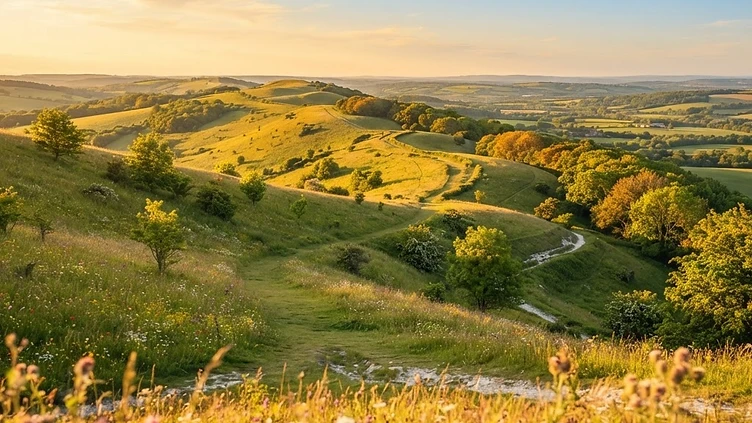
A major rewilding project along the HS2 route in the Colne Valley is proving to be a resounding success as birds and insects return to newly created chalk grasslands. Despite the ongoing construction of the high-speed railway, the Western Slopes initiative has successfully transformed former agricultural land into a thriving sanctuary for local biodiversity.
The story in 20 seconds
20The project is known as the Colne Valley Western Slopes.
It encompasses 127 hectares (approximately 314 acres) of land.
The site is being transformed from former monoculture farmland into a diverse nature reserve.
A Green Transformation in the Colne Valley
As the ambitious work on the high-speed railway continues, a quiet revolution is taking place on the outskirts of London. In a stunning display of ecological restoration, the project is transforming the landscape into a vibrant sanctuary for nature. By September 2026, what was once simple agricultural land has undergone a remarkable metamorphosis, proving that industrial progress and environmental stewardship can potentially coexist. This expansive initiative, managed by the dedicated HS2 Western Slopes project team, is turning the area into a flourishing wildlife corridor that promises to leave a lasting legacy for the region.
Creating Rare Chalk Grassland Habitats
At the heart of this project lies a commitment to creating rare chalk grassland, an ecologically significant habitat that is increasingly hard to find in the British countryside. The scale of the work is truly impressive, covering 127 hectares of land. The construction team has found a clever way to repurpose the materials moved during the project, utilizing 3 million tonnes of chalk excavated from the Chilterns tunnel to carefully reshape the local topography. This massive influx of material has provided the perfect foundation for restoring the unique chemistry needed to support chalk-dependent vegetation, effectively turning what could have been waste into the building blocks of a new, thriving ecosystem.
Planting for a Sustainable Future
The ambition of the Western Slopes initiative extends far beyond moving earth. To truly breathe life back into the site, the project team is in the process of planting 65,000 trees and shrubs. This includes a careful selection of 32 native species, such as the hardy wayfaring tree, the elegant hornbeam, traditional box, and delicate juniper. These plants are not merely aesthetic choices; they are functional, helping to sequester carbon and creating a sturdy green buffer alongside the M25 motorway. By fostering this diverse botanical environment, the project is moving away from the limitations of former monoculture farmland toward a complex, interconnected nature reserve designed to sustain itself for generations to come.
A Haven for Local Biodiversity
Perhaps the most exciting aspect of this restoration is the return of local wildlife. The environment is being meticulously designed to support a wide range of fauna, including various invertebrates, mammals, reptiles, and amphibians. Experts involved in the initiative are particularly optimistic about the prospect of attracting rare butterfly species, including the iconic blue and the chalkhill blue, which thrive in healthy chalk grassland. These small, colourful residents are the true measure of the site's success, indicating that the transformation from industrial construction space to a functional habitat is working as intended. The presence of these species highlights the importance of providing specialized environments within our wider landscape.
Community Access and Wider Benefits
The project is designed to be shared with the public, not just observed from afar. A total of 4.5 kilometres of new paths have been created to allow visitors to experience the beauty of the restored landscape firsthand. Whether on foot, by bike, or on horseback, these new routes offer the community a chance to engage with a slice of restored English countryside. Furthermore, the initiative carries significant environmental benefits, as the on-site reuse of materials helps to reduce the necessity of transporting heavy construction supplies by road, thereby lowering the overall carbon footprint of the project. This clever integration of logistics and land management represents a forward-thinking approach to modern infrastructure development.
Looking Toward an Optimistic Horizon
As we look toward the future, the Colne Valley Western Slopes project stands as a promising example of what can be achieved when land management prioritises biodiversity. By reclaiming 314 acres of land and integrating it into the green fabric of the London and South region, the project team has created something that will outlive the immediate requirements of the railway route. It serves as a reminder that even in the face of significant national construction, there is ample opportunity to provide a permanent home for native trees, insects, and rare wildlife. The success observed by September 2026 is just the beginning, as the saplings take root and the meadows settle into their new role as a sanctuary. This green corridor, nestled alongside the busy motorway, now offers a peaceful space where nature can thrive, proving that we can invest in our infrastructure while simultaneously investing in the health and vitality of our natural environment.
Originally reported by
All rights in the original reporting remain with the publishers below.
Originally reported by theguardian.com. Our feature is written independently from verified facts — please support the original reporting:
Read the original storyRelated Wins

 Environment
A NATURAL REVIVAL FOR BARNES GREEN
A major river restoration project has successfully transformed the Beverley Brook at Barnes Green into a thriving, natural habitat. This initiative has introduced a meandering river channel and a new island, significantly boosting local flood resilience and biodiversity.
London & South · 5 hours ago

 Culture
Croydon Housing Triumph Wins Prestigious National Architecture Award
A visionary council-commissioned housing development in South London has been crowned the winner of the 2026 RIBA Stirling Prize. The project transformed a former car park into a thriving community of 157 homes that seamlessly integrates high-density living with the natural landscape.
London & South · 5 hours ago

 Sport
SportA historic milestone for coastal football has been reached as AFC Bournemouth celebrates its first-ever home match in a major European competition.
The Vitality Stadium hosted the Europa League fixture, marking a significant chapter in the club's journey and bringing international prestige to the town.
London & South · 11 hours ago
The Sunshine Digest
One bright email each week — verified good news only, unsubscribe in a click.