Teenage Naturalists Lead Successful Harvest Mouse Reintroduction
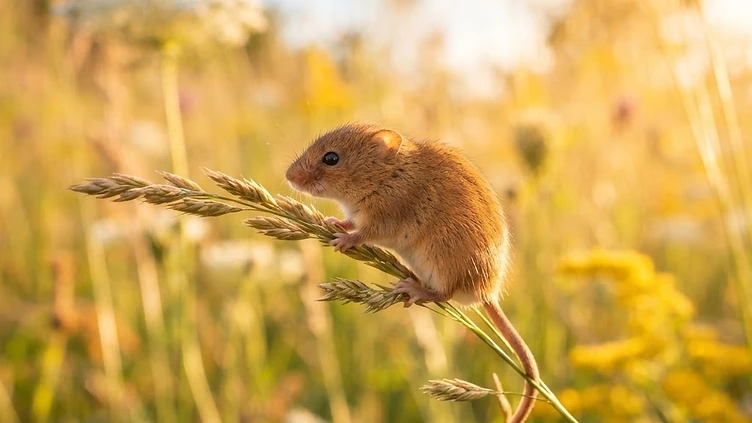
Two 13-year-old best friends in Devon have successfully bred and released 250 harvest mice into the wild to help restore the population of Britain’s smallest rodent. The project, which spanned two years, saw the teenagers transform their homes into breeding centres to support the near-threatened species.
The story in 20 seconds
20Eva Wishart and Emily Smith, both 13, spearheaded a conservation project to breed harvest mice at home.
The initiative was launched in response to the decline of the species, which is classified as Near Threatened in Great Britain.
The teenagers managed 27 breeding tanks, sourcing materials from local recycling efforts.
A Tiny Success in Devon
In the rolling green landscapes of Devon, two thirteen-year-old best friends have achieved something truly remarkable. Eva Wishart and Emily Smith, both dedicated young naturalists, have successfully spearheaded a significant conservation initiative aimed at bolstering the population of Britain’s smallest rodent: the harvest mouse. While many teenagers might spend their summer afternoons focused on hobbies or sports, Eva and Emily have spent the last two years turning their family homes into dedicated breeding centres. Their ambition was clear from the start: to tackle the decline of a species currently classified as near-threatened in Great Britain. This grassroots project highlights how local action, driven by passion and determination, can make a measurable difference for our native wildlife. By dedicating their time and energy to the breeding and care of these delicate creatures, the pair has demonstrated that age is no barrier to environmental stewardship.
Transforming Homes into Refuges
The scale of the girls' operation is as impressive as their commitment
Throughout their two-year journey, Eva and Emily managed an astonishing twenty-seven breeding tanks within their homes. To ensure their project was as sustainable as possible, they sourced the necessary materials through local recycling efforts, showing a keen awareness of environmental impact. The logistical challenges of keeping such a large number of rodents healthy and safe were immense, yet the duo approached each hurdle with maturity and foresight. They were not working entirely alone, however; the project received expert guidance from rewilding specialist . His professional insight proved invaluable, providing the framework for the girls to carry out their breeding program in a way that prioritized the welfare of the mice and ensured the success of the eventual reintroduction. This collaborative effort between experienced conservationists and young enthusiasts serves as a template for how intergenerational knowledge transfer can benefit the natural world.
A Community Effort for Nature
The success of this project was not limited to the girls' bedrooms; it rippled out to encompass the wider community in Devon. Recognizing that a successful reintroduction requires more than just breeding the mice, the local community rallied behind Eva and Emily. Residents joined in to prepare the environment for the newcomers, planting cocksfoot grass to provide the specific cover and food sources these tiny rodents need to thrive in the wild. Additionally, the community came together to dig a pond, further enhancing the habitat and ensuring the local nature reserve was a welcoming home for the mice. This collective spirit underlines the importance of local ecosystems and the impact of individual actions on the wider landscape of Great Britain. The sight of these young naturalists leading the charge, supported by their neighbors, showcases the power of community-led rewilding.
Releasing a New Generation
The culmination of two years of intense preparation arrived on August 27, 2025
On this landmark day, Eva and Emily conducted a soft release of two hundred and fifty mice into a local nature reserve. A soft release is a careful process that allows the animals to acclimate to their new surroundings gradually, giving them the best possible chance of survival. Watching two hundred and fifty mice return to the wild was a moment of triumph for the teenage naturalists and a testament to the thousands of hours they invested in their project. As Britain’s smallest rodents, these mice play a specific role in the ecosystem, and seeing their numbers increased so significantly by the effort of two local teenagers is a massive victory for conservation.
Looking Toward the Future
The work of Eva Wishart and Emily Smith serves as an optimistic beacon for the future of British wildlife. It proves that the challenges facing near-threatened species are not insurmountable when young people are empowered to act and communities provide the necessary support. The success of this Devon-based project is a powerful reminder that we all play a part in protecting our natural heritage. As we look at the progress made since that day in late August, it is clear that Eva and Emily have set a high bar for environmental action. Their dedication has not only helped restore a population of harvest mice but has also inspired a broader conversation about how local efforts can help reverse the decline of vulnerable species across the UK. With passionate young naturalists leading the way and expert guidance to light the path, the future of our smaller, often overlooked species looks just a little brighter.
Originally reported by
All rights in the original reporting remain with the publishers below.
Originally reported by Wanted: children to rear harvest mice at home for wild release in Devon. Our feature is written independently from verified facts — please support the original reporting:
Read the original storyRelated Wins

 Environment
A NATURAL REVIVAL FOR BARNES GREEN
A major river restoration project has successfully transformed the Beverley Brook at Barnes Green into a thriving, natural habitat. This initiative has introduced a meandering river channel and a new island, significantly boosting local flood resilience and biodiversity.
London & South · 5 hours ago

 Culture
Croydon Housing Triumph Wins Prestigious National Architecture Award
A visionary council-commissioned housing development in South London has been crowned the winner of the 2026 RIBA Stirling Prize. The project transformed a former car park into a thriving community of 157 homes that seamlessly integrates high-density living with the natural landscape.
London & South · 5 hours ago

 Sport
SportA historic milestone for coastal football has been reached as AFC Bournemouth celebrates its first-ever home match in a major European competition.
The Vitality Stadium hosted the Europa League fixture, marking a significant chapter in the club's journey and bringing international prestige to the town.
London & South · 11 hours ago
The Sunshine Digest
One bright email each week — verified good news only, unsubscribe in a click.