Oxford Street Transforms into Pedestrian Haven
London’s iconic shopping destination has officially entered a new era, with a major stretch of Oxford Street now closed to all motorised traffic and cyclists to create a safer, more welcoming environment for visitors. This landmark change aims to revitalise the historic high street, encouraging shoppers to linger and enjoy the area ahead of the busy festive season.
The story in 20 seconds
20The pedestrianisation project covers a nearly one-kilometre stretch of Oxford Street, specifically between Orchard Street and Great Portland Street.
The ban applies to all private motorised vehicles, buses, taxis, private hire vehicles, cycles, scooters, and pedicabs.
Emergency services retain full access to the area at all times.
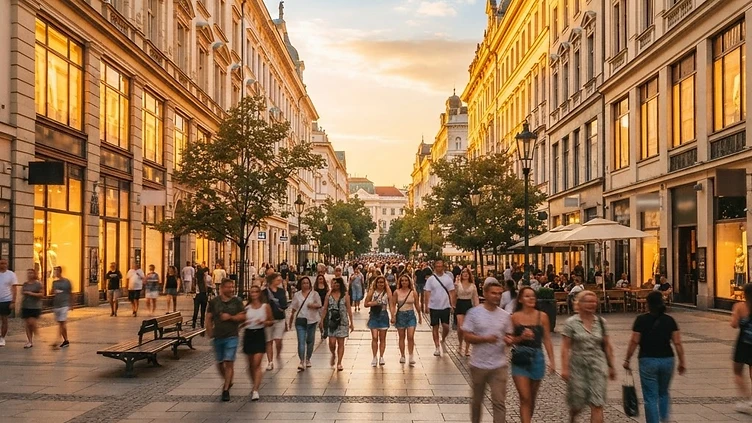
A New Dawn for London’s High Street
The heart of London is breathing a little easier today as a monumental shift in the capital’s landscape takes root. On 26 2026, the famous expanse of Oxford Street began a transformative journey, turning from a bustling, vehicle-dominated artery into a haven dedicated entirely to those on foot. Spanning the distance between Orchard Street and , this near-one-kilometre stretch has effectively closed its gates to the familiar rumble of motorised traffic, buses, taxis, and the quiet whir of cycles, scooters, and pedicabs. It is a bold, long-awaited transition for a site that hosts roughly 500,000 visitors every single day, marking a significant milestone in the city’s urban evolution. This project, spearheaded by of London alongside local authorities, represents the culmination of years of rigorous debate and public consultation. The goal is simple yet profound: to create an environment where shoppers can slow their pace, enjoy the festive atmosphere, and rediscover the historic retail destination without the constant pressure of traffic. While the city remains a busy, interconnected hub, this pedestrianisation scheme is a deliberate step to ensure that this iconic thoroughfare continues to stand as a global leader in retail and tourism, preserving its status as a crown jewel of British culture.
Safety and Air Quality Take Priority
Beyond the immediate aesthetic improvements, the decision to clear the roads of motorised vehicles is rooted in a commitment to public wellbeing. By removing cars, buses, and private hire vehicles from this central corridor, the city is making a decisive move to enhance pedestrian safety and significantly improve local air quality. For the half a million people who walk these pavements daily, the change offers a newfound sense of freedom and security. While the thoroughfare is now a pedestrian zone, the logistics of a major city have not been ignored. services have retained full access to the entire area at all times, ensuring safety remains the absolute priority. For local businesses, a system has been implemented to allow essential , but only within a strict window between midnight and 7:00 am. Furthermore, the city’s movement continues at the junctions, such as the major intersection at , where cross-traffic is still permitted to ensure the wider city flow remains functional. This delicate balance reflects a modern, thoughtful approach to urban planning that values the person on the street as much as the transport infrastructure that keeps the capital moving.
Boosting the Retail Heartbeat
The economic implications of this change are as significant as the environmental ones. Oxford Street is not just a road; it is a financial powerhouse that generates an estimated annual spend of £3.1 billion. By creating a more welcoming, spacious, and relaxed environment, the project aims to encourage visitors to linger longer and engage more deeply with the shops, cafes, and experiences on offer. The anticipation of this shift has already begun to bear fruit, with the Mayor of London highlighting a surge in interest from new retailers keen to open their doors in this revitalised space. This influx of commercial interest suggests that businesses are eager to be part of a future where the customer experience is defined by comfort and accessibility rather than the stress of navigating heavy traffic. As the busy festive season approaches, the timing could not be more ideal. Shoppers who might have previously navigated the crowds with caution can now look forward to a much more pleasant experience, browsing the displays and soaking in the atmosphere without the constant caution required near busy lanes. It is a shift that promises to inject new vitality into the historic street, positioning it to remain a dominant force in the global retail landscape.
Looking Toward the Future
As it stands, the current phase of the pedestrianisation is a temporary scheme, serving as a living laboratory for how such a significant space can best serve its visitors. This period is not merely a trial; it is a collaborative process, with final designs expected to be shaped by ongoing feedback from the public and local stakeholders. The intention is to refine the space based on how it is actually used, ensuring that by the spring of 2027, the permanent design will be perfectly tuned to the needs of the city. This phased approach demonstrates a commitment to doing things right, valuing the voices of those who live, work, and visit here. Looking ahead, this project stands as a beacon for what is possible when a city decides to prioritise its people. By reimagining such a world-famous location, London is proving that even the most historic of streets can adapt to modern challenges and emerge stronger. It is an optimistic vision of a city where commerce and comfort coexist, where air quality and accessibility are valued, and where the bustling energy of London’s most famous street is channeled into a safer, cleaner, and more inclusive experience for everyone. As we move through the coming months, this transformation will continue to unfold, offering a blueprint for a future that is as vibrant as the history that came before it.
Originally reported by
All rights in the original reporting remain with the publishers below.
Originally reported by Oxford Street pedestrianisation live as cars, bikes and buses banned for first time. Our feature is written independently from verified facts — please support the original reporting:
Read the original story- Oxford Street pedestrianisation live as cars, bikes and buses banned for first time
- https://www.bbc.com/news/live/cqkglj32ygr8t
- https://www.standard.co.uk/news/london/oxford-street-pedestrianisation-guide-b1299638.html
- https://www.independent.co.uk/bulletin/news/oxford-street-london-pedestrianisation-bus-b3073240.html
Related Wins

 Health
Lambeth housing estates saved from demolition and redevelopment
South London communities celebrate as Lambeth Council abandons plans to demolish the Central Hill and Cressingham Gardens estates, shifting focus to refurbishment and community preservation.
London & South · 48 mins ago

 Culture
Hackney’s Reborn Yard Theatre Opens Doors with Star-Studded Season
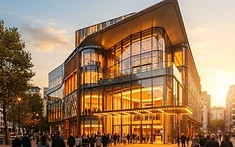
The Yard Theatre has successfully completed its transition from a temporary warehouse space into a permanent, architecturally significant venue in Hackney Wick. This ambitious £4 million project ensures the theatre can continue its mission of providing accessible, high-quality arts programming to the local community and beyond.
London & South · 49 mins ago

 Science
PEDALS AT THE READY: WEST LONDON CYCLING LESSONS TO RETURN
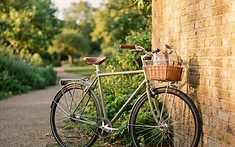
A popular community initiative providing free cycle training is set to resume in the new year, offering residents a renewed opportunity to build confidence on two wheels. The programme, which helps people of all abilities navigate local roads safely, will restart following a period of service interruptions.
London & South · 52 mins ago
The Sunshine Digest
One bright email each week — verified good news only, unsubscribe in a click.