NEW FRONTIERS IN CONSERVATION: UK AGENCY FUNDS BIOTECH BREAKTHROUGHS FOR WILDLIFE
A pioneering UK research initiative has launched a series of radical biotechnology projects designed to help native species survive the accelerating impacts of the climate crisis. By funding 14 innovative research teams, the government’s "invention agency" is moving beyond traditional conservation methods to provide direct biological support to vulnerable ecosystems.
The story in 20 seconds
20ARIA allocated £30 million for 14 biotechnology projects.
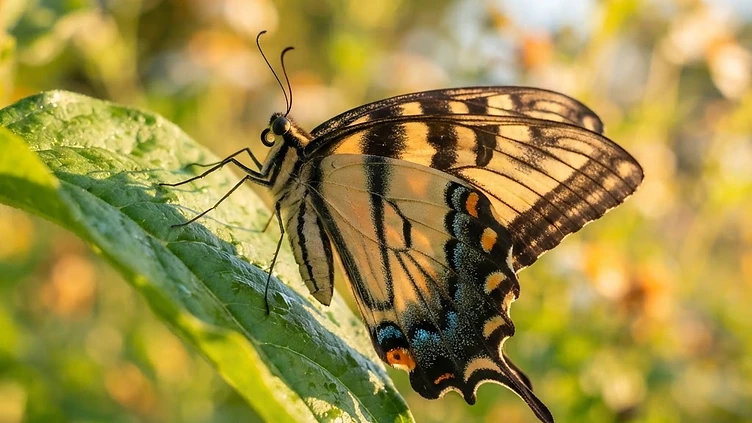
Projects focus on vaccines for ash trees and gene-editing for swallowtail butterflies.
Research includes protective skin treatments for newts against chytrid fungus.
A Bold Leap Forward For British Nature
September 2026 marks a turning point in the history of British conservation as the nation embarks on a journey into uncharted territory. In the heart of London and across the South, a quiet revolution is taking root, driven by the belief that traditional methods of protecting our wildlife must evolve to meet the escalating challenges of the climate crisis. The Advanced and Invention Agency, widely known as ARIA, has officially stepped onto the frontline of ecological stewardship, unveiling a £30 million investment package that promises to rewrite the rules of survival for some of our most precious native species.
This funding, which spans fourteen distinct and highly innovative biotechnology , signals a significant shift in how we approach the preservation of our natural heritage. Rather than merely observing the decline of vulnerable ecosystems, this pioneering research initiative seeks to provide direct biological support to the plants and animals that form the backbone of the British landscape. By partnering with leading academic powerhouses such as Imperial College and Queen Mary University, ARIA is fostering a collaborative environment where high-level scientific inquiry meets the urgent needs of the natural world.
The Cutting Edge Of Survival
The sheer ambition of these fourteen projects is striking, moving beyond the well-trodden paths of habitat restoration and into the sophisticated realm of genetic intervention. Central to this new strategy is the application of advanced tools like CRISPR-Cas9, which allow scientists to interact with the very blueprints of life. The core philosophy driving these efforts is rooted in a desire to help our native wildlife evolve at a speed that aligns with the rapid pace of human-induced environmental change. It is an optimistic, forward-thinking approach that acknowledges the severity of the crisis while refusing to accept its finality.
Among the diverse range of initiatives now receiving support, some address the most pressing threats currently facing our woodlands and wetlands. For instance, researchers are looking at the development of targeted vaccines for ash trees, an essential component of the British forest that has faced severe pressure in recent years. Simultaneously, other teams are exploring the potential of gene-editing techniques to assist the swallowtail butterfly, ensuring that this iconic insect can continue to thrive despite the shifting conditions of its natural environment. These are not merely studies conducted in a laboratory; they are tactical interventions designed to bolster the resilience of living, breathing ecosystems.
Protecting The Fragile And The Rare
The initiative also extends its protective reach to smaller, often overlooked inhabitants of our countryside. One particularly fascinating area of research involves the development of protective skin treatments for newts to shield them against the ravages of chytrid fungus, a disease that has caused devastating declines in amphibian populations globally. By finding ways to fortify the biological defenses of these sensitive creatures, the programme demonstrates a commitment to preserving the full spectrum of biodiversity that constitutes a healthy, functioning environment.
This work is happening right here in the London and South region, where the intersection of academic excellence and environmental necessity is creating a vibrant hub of discovery. The involvement of institutions like Queen Mary University and Imperial College ensures that these projects are underpinned by rigorous research, offering a beacon of hope for the future. The initiative acts as a vital bridge, connecting the potential of modern biotechnology with the pressing reality of ecological decline, ultimately aiming to safeguard the intricate web of life that defines the British countryside for generations to come.
A Future Built On Resilience
Looking ahead, this £30 million investment by ARIA serves as a powerful statement of intent. It is an acknowledgment that the climate crisis requires an innovative response, one that embraces the power of science to act as a guardian for our native species. By focusing on direct biological support and the application of genetic tools, the researchers are creating a new blueprint for conservation—one that is proactive rather than reactive. This initiative is about more than just keeping species alive; it is about providing them with the necessary tools to adapt to an increasingly complex world.
As we move through 2026 and beyond, the success of these fourteen projects could provide the framework for a nationwide strategy that changes our relationship with the wild. The collaboration between the invention agency and our top academic minds provides a sturdy foundation for this endeavour. It represents a hopeful vision of what can be achieved when we apply human ingenuity to the challenge of preserving our natural world. By fostering the evolution of species and strengthening their resistance to disease and climate stress, we are ensuring that the vibrant, diverse life of the United Kingdom has the best possible chance to flourish in the years to come. This is truly a new frontier in conservation, and it is happening right now, promising a more resilient and biodiverse future for us all.
Originally reported by
All rights in the original reporting remain with the publishers below.
Originally reported by theguardian.com. Our feature is written independently from verified facts — please support the original reporting:
Read the original storyRelated Wins

 Sport
SportCHESS PRODIGIES BREAK BARRIERS IN NATIONAL LEAGUE DEBUT
The 'She Plays to Win' Lionesses have made history by competing in the top division of the Four Nations Chess League, marking the culmination of three consecutive promotions. Despite facing unique regulatory challenges regarding team composition, the squad continues to demonstrate exceptional skill and camaraderie at the highest level of British chess.
London & South · 1 hour ago

 Science
NEW PATHWAYS TO DIAGNOSIS: CAMBRIDGE STUDY SHEDS LIGHT ON AUTOIMMUNE HEALTH
A landmark study from the University of Cambridge is paving the way for more accurate medical care by highlighting critical gender disparities in the diagnosis of autoimmune conditions. By identifying how and why these misdiagnoses occur, researchers are providing the evidence needed to ensure patients receive faster, more effective support for their physical health.
London & South · 1 hour ago

 Environment
A NATURAL REVIVAL FOR BARNES GREEN
A major river restoration project has successfully transformed the Beverley Brook at Barnes Green into a thriving, natural habitat. This initiative has introduced a meandering river channel and a new island, significantly boosting local flood resilience and biodiversity.
London & South · 7 hours ago
The Sunshine Digest
One bright email each week — verified good news only, unsubscribe in a click.