New butterfly brigade to help save Northern Ireland’s rare and beautiful species
A dedicated team of conservationists has launched a major initiative to protect Northern Ireland’s rare butterfly species and restore their vital limestone grassland habitats through a community-led project supported by Butterfly Conservation and the PEACEPLUS programme.
The story in 20 seconds
20The project is led by the charity Butterfly Conservation.
It has secured £740,000 in funding from the PEACEPLUS programme.
The initiative is focused on the limestone grasslands of County Fermanagh.
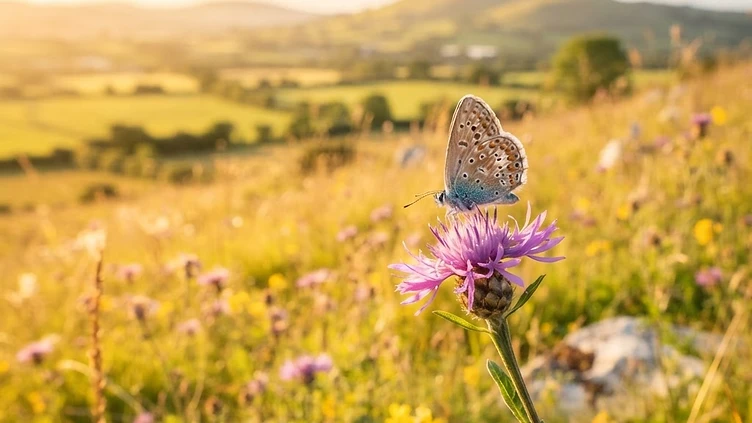
A Golden Age for Fermanagh's Fragile Wings
In the rolling, rugged heart of , a quiet revolution is taking flight. It is a movement defined not by grand industrial shifts, but by the flutter of gossamer wings and the diligent hands of a community united by a common cause. As we look towards the horizon of 2026, a new chapter in Northern Irish conservation is beginning to unfold. This initiative, spearheaded by the dedicated experts at the charity , represents a profound commitment to the of our natural landscape. With the backing of the PEACEPLUS programme, which has provided a significant investment of £740,000, this three-year project seeks to weave together the fabric of our environment, ensuring that the rare and beautiful butterfly species that call this region home have the sanctuary they so desperately need to thrive. It is a story of cooperation, resilience, and the enduring power of nature to bring people together.
The Precious Limestone Grasslands
At the center of this ambitious undertaking lie the limestone grasslands of Fermanagh. These are not merely patches of earth; they are ancient, biodiversity-rich ecosystems that act as vital lifelines for an array of specialized creatures. For generations, these landscapes have stood as a testament to the natural history of Northern Ireland, yet in recent years, they have faced the encroaching threat of scrub and tree growth. Without careful management, these habitats risk disappearing entirely, replaced by dense vegetation that leaves little room for the sun-drenched meadows required by our most fragile pollinators. The project is focused on reversing this trend, actively working to restore the openness and character of these grasslands. By addressing the loss of these spaces, the project ensures that the delicate balance of the ecosystem is preserved, allowing the flora and fauna that rely on these limestone soils to flourish once again.
Safeguarding Our Rare Butterfly Residents
Among the many species benefiting from this restoration work are some of the most striking and rare inhabitants of the United Kingdom. High on the priority list is , a butterfly whose presence in the UK is restricted entirely to Northern Ireland. To lose such a creature would be to lose a unique piece of our biological heritage, and this project serves as a crucial defensive line against such an outcome. Beyond this, the initiative is working to protect the colorful , the delicate Small Blue, and the enigmatic Irish Plume Moth. These species serve as indicators of the overall health of our countryside. By focusing on their specific needs and ensuring that their habitats are managed with precision and care, the involved are not just saving butterflies; they are safeguarding the biological integrity of the entire region. It is a meticulous, science-led effort to ensure these creatures remain a permanent fixture of our landscapes for years to come.
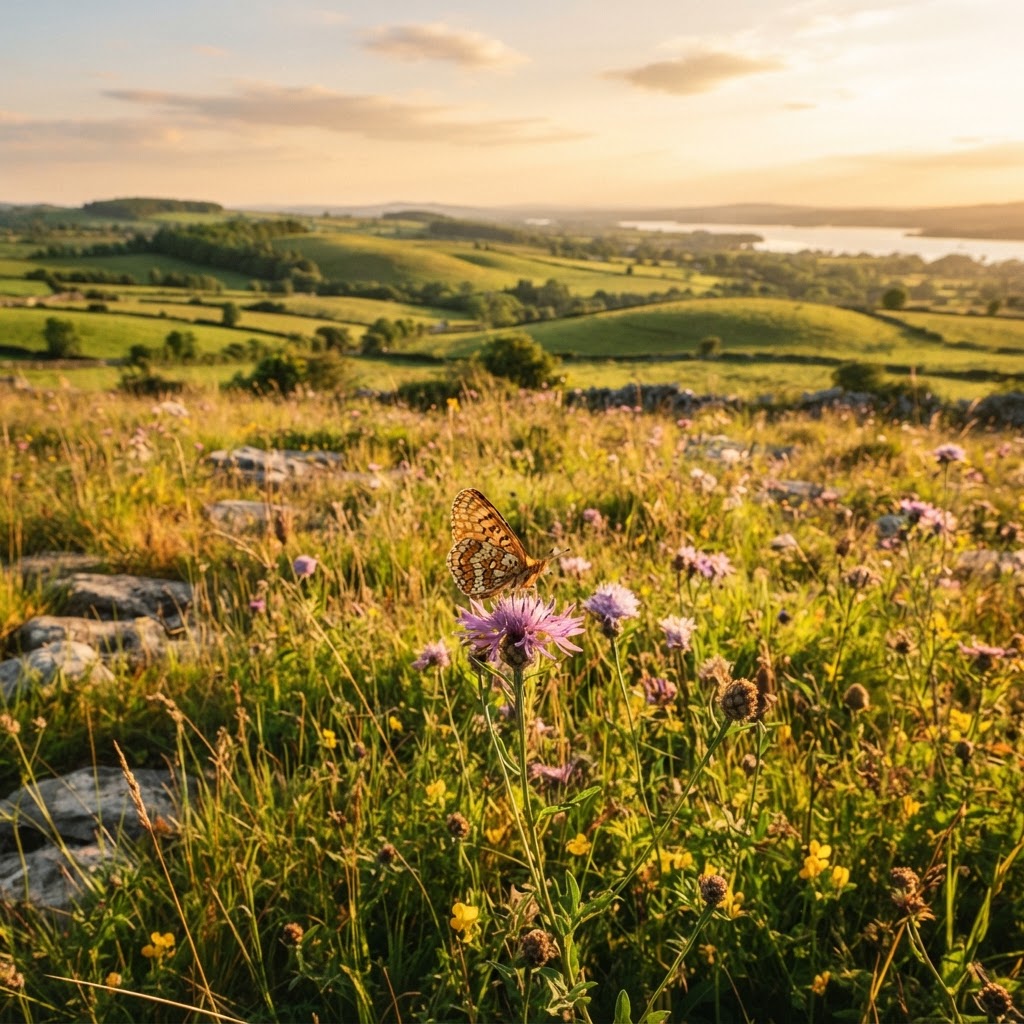
Farmers and Volunteers Joining Forces
One of the most heartening aspects of this initiative is the collaborative nature of the work. The project is far from a top-down mandate; it is a partnership that bridges the gap between expert conservationists, local farmers, and the people of Fermanagh. Landowners play an indispensable role in this story, as it is their stewardship of the land that forms the foundation of the project’s success. By working directly with these individuals, Butterfly Conservation is able to implement habitat management strategies that are both practical and effective. Alongside this, a massive call has gone out to the local community to step forward. Whether through direct volunteering or participating in citizen science initiatives, the public is being invited to become the eyes and ears of the project. This grassroots engagement is what turns an environmental goal into a community identity, fostering a sense of shared responsibility for the wild spaces we inhabit.
Promoting Biodiversity and Regional Resilience
When we talk about the benefits of this project, we must look beyond the immediate survival of butterfly populations. This is an exercise in building regional resilience and fostering deep connections with the natural world. Biodiversity is the cornerstone of a healthy environment, and by improving the connectivity of these wild spaces, the project is creating a network of habitats that allow species to move, feed, and reproduce with greater ease. This connectivity is essential in an era of environmental change, as it allows our local ecosystems to adapt and persist. Furthermore, there is a profound human element to this work. The act of engaging with nature, of monitoring a butterfly’s progress or participating in the restoration of a meadow, is known to have significant positive impacts on mental health. By encouraging people to spend time outdoors, observing the wonders of the natural world, the project is nurturing the wellbeing of the community as much as it is the health of the grassland.
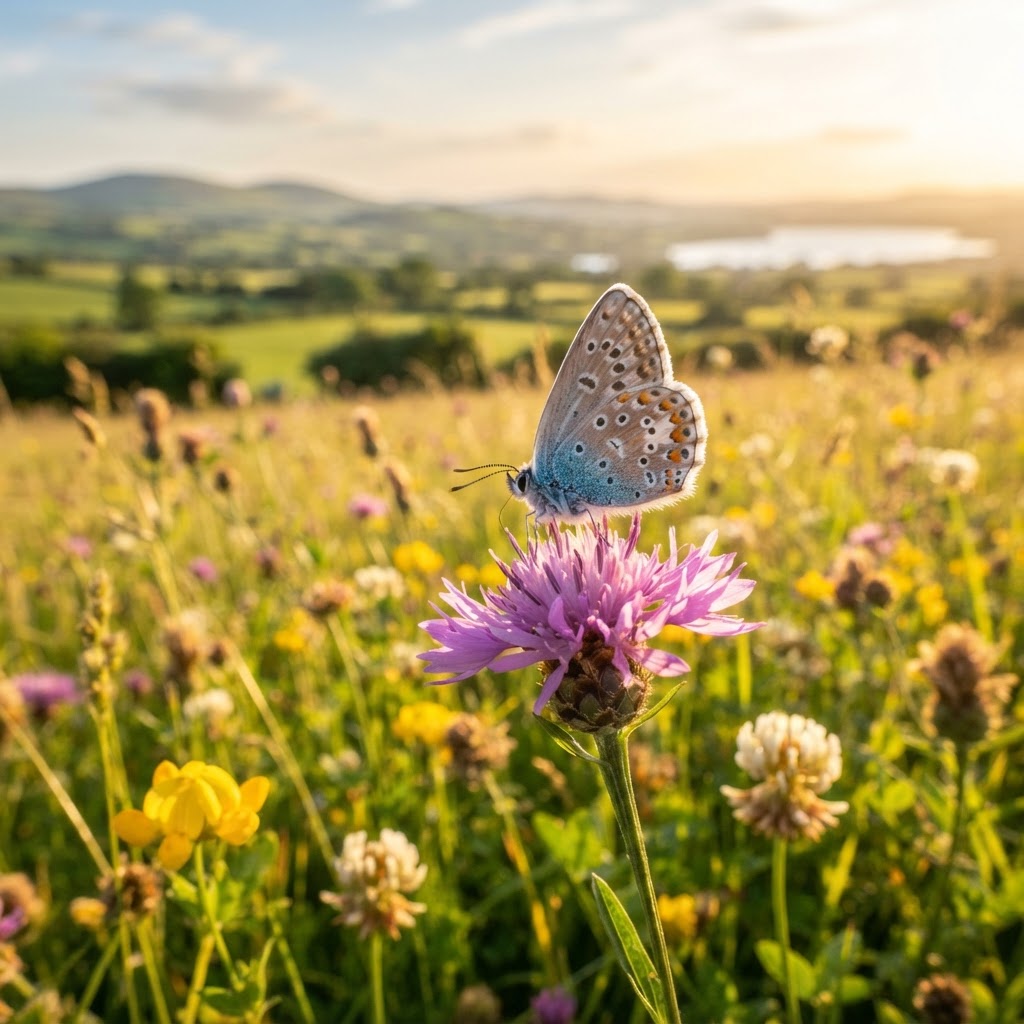
Looking Toward a Greener Future
As we look ahead to the next three years and beyond, there is a tangible sense of optimism regarding the impact of this work. The three-year commitment to habitat management is designed to provide the stability required for long-term ecological gains. The support from the PEACEPLUS programme ensures that the resources are available to turn these ambitious plans into a reality. By prioritizing the preservation of our natural heritage, we are investing in a future where our children and grandchildren can experience the same wonder that these species inspire today. This project is a lighthouse for conservation efforts across the UK, demonstrating how targeted funding, community spirit, and expert knowledge can combine to protect the most vulnerable parts of our environment. It serves as a reminder that with dedication and cooperation, we can maintain the wild crown jewels that make our region so special.
Connecting People to Their Landscape
Ultimately, the success of this butterfly brigade will be measured not just by the numbers of species observed, but by the way it has changed the relationship between the people of Northern Ireland and their local landscape. The project is a clarifier of value, highlighting that the wild, untamed corners of Fermanagh are not just obstacles to productivity, but essential assets that sustain our quality of life. As volunteers head out into the fields and farmers implement new management techniques, the legacy of this project will be written in the wildflowers that bloom and the butterflies that take flight. This is an invitation to all to participate in the act of stewardship. By focusing on the small, the rare, and the beautiful, we are collectively crafting a landscape that is resilient, diverse, and deeply connected to the people who call it home. Through this ongoing effort, Northern Ireland is proving that it is a leader in the movement to protect the natural treasures that define our world.
Originally reported by
All rights in the original reporting remain with the publishers below.
Originally reported by insideecology.com. Our feature is written independently from verified facts — please support the original reporting:
Read the original storyRelated Wins

 Environment
A NATURAL REVIVAL FOR BARNES GREEN
A major river restoration project has successfully transformed the Beverley Brook at Barnes Green into a thriving, natural habitat. This initiative has introduced a meandering river channel and a new island, significantly boosting local flood resilience and biodiversity.
London & South · 7 hours ago

 Environment
A "Nature Ring" for London: Ambitious Green Corridor Takes Root
A visionary 25-year project is underway to encircle the capital with a continuous 200km green corridor, transforming the city’s outer edges into a thriving habitat for both wildlife and residents. By connecting existing green spaces with new orchards, hedgerows, and woodlands, the initiative aims to restore biodiversity and provide nature-deprived communities with improved access to the outdoors.
London & South · 1 day ago

 Environment
'Outstanding' school 'over-capacity' to move and expand from Bermondsey to Peckham
A highly-rated special school is set to expand its capacity and move into a modern, sustainable facility to better support children with complex needs. This relocation will provide 21 additional places for pupils, ensuring more families have access to high-quality, purpose-built educational environments.
London & South · 1 day ago
The Sunshine Digest
One bright email each week — verified good news only, unsubscribe in a click.