Joy of para fencing becoming accessible to all thanks to trailblazing new invention
A groundbreaking new piece of equipment is set to transform the accessibility of para fencing by removing the significant financial and logistical barriers that have historically limited participation. Developed through a collaborative effort between researchers and disability advocates, this invention aims to bring the sport to a wider audience across the UK.
The story in 20 seconds
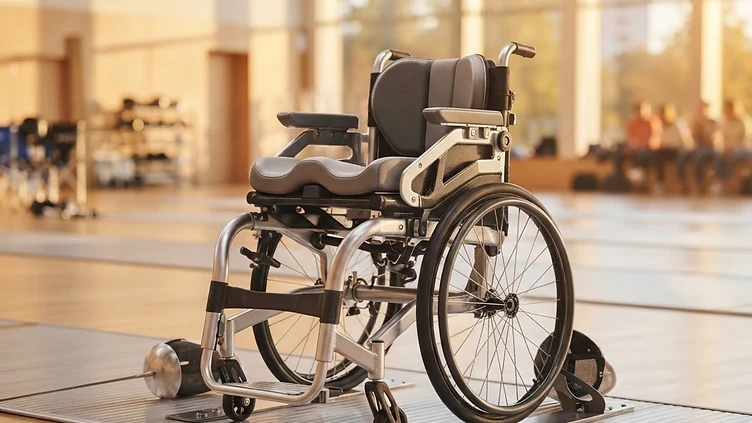
20The invention, known as the SwordSeat, is a specialized piece of equipment designed to facilitate wheelchair fencing.
It was created to address the high costs and complex equipment requirements that previously made the sport difficult to access.
The project was directed by Rick Rodgers and funded by the British Fencing Charity.
A New Dawn for British Fencing
In the heart of Bristol, a quiet revolution is taking place that promises to reshape the landscape of disability sports across the United Kingdom. As of 2026, the world of para fencing is set for a dramatic transformation, thanks to the introduction of a trailblazing piece of technology known as the SwordSeat. For years, the pursuit of competitive fencing for wheelchair users has been hampered by significant logistical challenges and high financial costs. These barriers have historically restricted access to the sport, effectively silencing the aspirations of many potential grassroots athletes. Now, a collaborative effort is set to bridge that gap, opening doors that were once firmly shut and ensuring that the thrill of the blade is accessible to all. The SwordSeat represents more than just a piece of equipment; it is a symbol of inclusion and progress. Designed specifically to facilitate wheelchair fencing, this innovation addresses the complex requirements that have long plagued the sport. By simplifying the necessary apparatus, it clears the path for individuals who have previously found the entry costs and equipment logistics too daunting to overcome. This initiative is a testament to what can be achieved when vision meets dedicated collaboration. The project was brought to life through the direct involvement of Rick Rodgers, whose leadership helped guide the development from concept to reality. By partnering with the University of Bath, the has tapped into a wealth of research expertise to refine the design, ensuring that the final product is not only functional but truly fit for purpose.
Designing with User Needs at the Core
What sets this development apart is the meticulous approach taken to the design process. Rather than working in isolation, the development team prioritized the voices of those who know the sport best. By incorporating direct feedback from disability fencing advocates throughout every stage of creation, the team ensured that the SwordSeat meets the genuine needs of its users. This human-centric approach is vital when creating technology aimed at enhancing sporting accessibility, as it guarantees that the equipment serves the athlete rather than the other way around. The involvement of these advocates has been a cornerstone of the project, turning a theoretical design into a practical tool that reflects the realities of the fencing community. It is this commitment to inclusivity that makes the project so significant for the London and South region and beyond. By focusing on the lived experiences of para fencers, the researchers at the University of Bath and the team at have crafted a solution that respects the integrity of the sport while lowering the threshold for entry. This partnership marks a turning point for the sector, proving that with the right combination of advocacy and innovation, even the most deeply entrenched barriers can be dismantled.
Building a More Inclusive Future
The implications of this October 2026 milestone stretch far beyond the fencing salle. In a country where the passion for sport runs deep, ensuring that every citizen has the opportunity to participate is a goal of national importance. The SwordSeat effectively democratizes the sport of fencing, allowing grassroots athletes to engage with the discipline without the crushing weight of logistical burden. This shift is not merely about providing equipment; it is about fostering a culture where potential is identified and nurtured, regardless of an individual's physical requirements. As we look toward the future, the introduction of this specialized seating creates a ripple effect of optimism. With financial and logistical hurdles removed, we can expect to see a wider demographic of people picking up the foil or epee, bringing new energy and diversity to the UK fencing circuit. The collaborative spirit demonstrated by Rick Rodgers and his partners serves as a blueprint for future endeavors in sports technology. It is a reminder that the barriers to participation are not insurmountable; they are simply hurdles waiting for the right creative spark to clear them. As this innovation begins to roll out, the landscape of para fencing in the UK looks brighter than ever. With a solid foundation laid by the British Fencing Charity and the academic rigour of the University of Bath, the sport is poised to enter a new era of accessibility. The SwordSeat is a beacon of progress, showcasing how focused, empathetic, and expert-led engineering can foster meaningful change. For the athletes in Bristol and across the wider nation, the future of the sport is no longer defined by what they cannot do, but by the excitement of what they can finally achieve on the piste.
Originally reported by
All rights in the original reporting remain with the publishers below.
Originally reported by bristolpost.co.uk. Our feature is written independently from verified facts — please support the original reporting:
Read the original storyRelated Wins

 Environment
A NATURAL REVIVAL FOR BARNES GREEN
A major river restoration project has successfully transformed the Beverley Brook at Barnes Green into a thriving, natural habitat. This initiative has introduced a meandering river channel and a new island, significantly boosting local flood resilience and biodiversity.
London & South · 5 hours ago

 Culture
Croydon Housing Triumph Wins Prestigious National Architecture Award
A visionary council-commissioned housing development in South London has been crowned the winner of the 2026 RIBA Stirling Prize. The project transformed a former car park into a thriving community of 157 homes that seamlessly integrates high-density living with the natural landscape.
London & South · 5 hours ago

 Sport
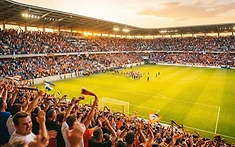
SportA historic milestone for coastal football has been reached as AFC Bournemouth celebrates its first-ever home match in a major European competition.
The Vitality Stadium hosted the Europa League fixture, marking a significant chapter in the club's journey and bringing international prestige to the town.
London & South · 11 hours ago
The Sunshine Digest
One bright email each week — verified good news only, unsubscribe in a click.