How Peer Support is Transforming Men’s Mental Health in London
A growing movement of community-led peer support groups is providing a vital lifeline for men across London who are navigating life transitions and mental health challenges. By creating safe, non-judgmental spaces for open conversation, these initiatives are successfully breaking down long-standing stigmas and fostering meaningful social connections.
A New Chapter for Wellbeing in London
Across the bustling streets of , a quiet but profound transformation is taking place. For many men navigating the complexities of modern life, the traditional avenues for mental health support have often felt distant, clinical, or simply inaccessible. However, a grassroots movement is currently changing the landscape of emotional wellbeing. Community-led peer support groups are emerging as a vital lifeline, offering a space where men can speak openly about their challenges without the weight of societal judgement. By focusing on the power of shared lived experience, these initiatives are successfully dismantling long-standing stigmas that have historically prevented men from reaching out when they need it most.
Walking Away from Isolation
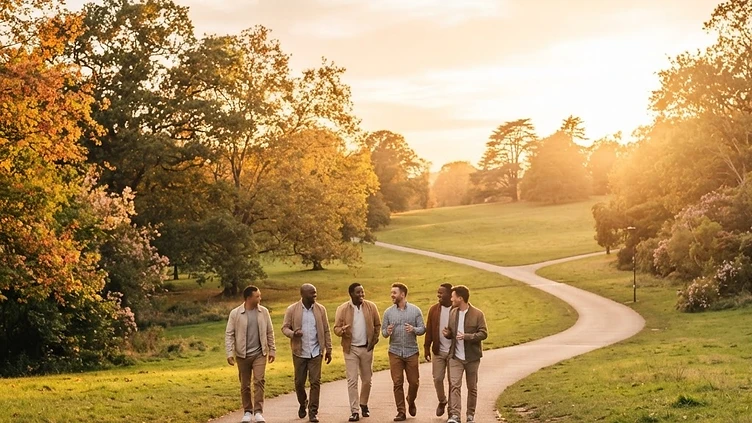
At the heart of this movement is a shift toward informality and accessibility. Rather than sitting in sterile, conventional settings, many of these London-based groups have adopted a '' model. This approach is proving to be a game-changer, stripping away the pressure and formality often associated with seeking help. By integrating movement with conversation, these groups create an environment where emotional openness feels natural rather than forced. It is an empathetic response to the isolation that so many men face when navigating major life transitions, such as relationship breakdowns or deep-seated loneliness. These sessions act as a bridge, allowing individuals to process their feelings in a supportive, non-judgemental atmosphere that feels grounded in reality.
Removing Barriers to Vital Support
Perhaps the most significant aspect of this trend is its commitment to inclusivity. These projects are entirely free to attend, which serves as a crucial equalizer, removing the financial barriers that often prevent people from accessing mental health resources. By keeping these groups rooted in the community, the movement ensures that support is available to everyone, regardless of their financial circumstances. It is a model built on the dedication of community volunteers who possess their own lived experience and a genuine desire to uplift their peers. This volunteer-led structure creates an authentic sense of camaraderie, where the focus remains strictly on mutual aid and understanding. When men see others who have navigated similar personal difficulties, it fosters a sense of belonging that is essential for long-term mental health.
Challenging Traditional Gender Norms
These initiatives are doing more than just providing a place to talk; they are actively reshaping the narrative around masculinity. For generations, traditional gender norms have frequently discouraged men from discussing their vulnerabilities, creating a culture of silence that can exacerbate personal struggles. By fostering spaces where emotional vulnerability is treated as a sign of strength rather than weakness, these London groups are helping to rewrite these social codes. It is a necessary shift, one that encourages a broader definition of what it means to be a man in the contemporary UK. As these groups grow in popularity, they are demonstrating that social connection is a foundational pillar of health that is just as important as medical interventions.
An Optimistic Path Forward
Looking ahead, the impact of these community projects is clear. By offering a sustainable, empathetic, and accessible way to manage mental health, these groups are equipping men with the tools to handle life's inevitable ups and downs with greater resilience. The simple act of sitting down or walking with someone who understands your journey can be enough to prevent a downward spiral and instead foster a path toward healing. The success of this movement in London highlights a significant appetite for human-centric solutions to mental health. As more men find the courage to step forward and join these circles of support, the collective strength of the community grows. It is a heartwarming trend, suggesting that by focusing on empathy and open communication, we can indeed create a more supportive, connected, and healthy society for all. The quiet revolution happening in our parks and community halls is not just about managing individual challenges; it is about building a future where no one has to navigate their darkest moments in silence.
Originally reported by
All rights in the original reporting remain with the publishers below.
Originally reported by mylondon.news. Our feature is written independently from verified facts — please support the original reporting:
Read the original storyRelated Wins

 Health
Widnes youngster cutting hair after 10 years for good cause
A young Widnes resident has donated his hair after growing it for a decade to support children facing hair loss due to medical treatment.
North of England · 3 hours ago

 Environment
A NATURAL REVIVAL FOR BARNES GREEN
A major river restoration project has successfully transformed the Beverley Brook at Barnes Green into a thriving, natural habitat. This initiative has introduced a meandering river channel and a new island, significantly boosting local flood resilience and biodiversity.
London & South · 4 hours ago

 Culture
Croydon Housing Triumph Wins Prestigious National Architecture Award
A visionary council-commissioned housing development in South London has been crowned the winner of the 2026 RIBA Stirling Prize. The project transformed a former car park into a thriving community of 157 homes that seamlessly integrates high-density living with the natural landscape.
London & South · 4 hours ago
The Sunshine Digest
One bright email each week — verified good news only, unsubscribe in a click.