Historic Tate building in 'forgotten' part of East London left derelict now brought back to life
A derelict Victorian-era building in Silvertown has been successfully transformed into a vibrant social enterprise space, breathing new life into a forgotten piece of local heritage. The project, led by a grassroots organisation, has repurposed the historic site to provide studios, workshops, and green spaces for local residents and entrepreneurs.
The story in 20 seconds
20The Tate Institute was built in 1887.
It was originally designed as a community facility for sugar factory workers and their families.
The building is a locally listed heritage site in Silvertown, East London.
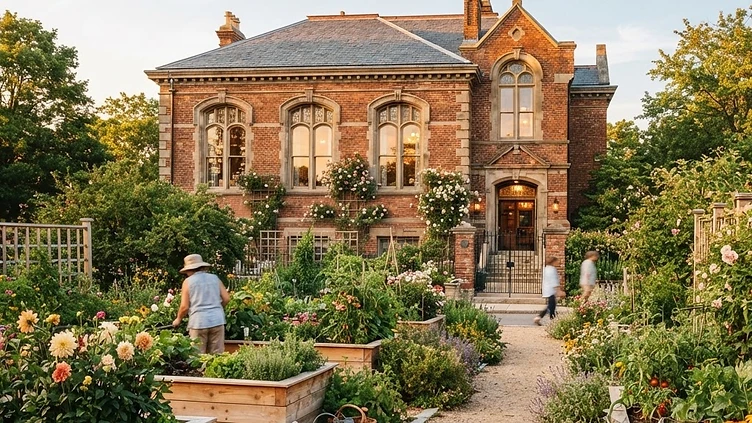
A Victorian Landmark Reclaims Its Purpose
In the quiet corners of the Royal Docks, a remarkable transformation has unfolded that proves even the most neglected corners of our history can find a path back to the light. For decades, at 1 Wythes Road in Silvertown stood as a haunting reminder of a bygone industrial era, a locally listed heritage site left to weather the elements while the world outside marched onward. Constructed in 1887, this grand Victorian-era building was initially forged as a sanctuary for the workers of the local sugar factories and their beloved families. It was a place designed to anchor the community, offering a vital hub for those who powered the local economy. Throughout its storied history, the building wore many hats, acting as a library and even serving as an air raid post during the turmoil of 2. By 1953, it had been renamed the Tate & & Social Club, cementing its status as a heartbeat of Silvertown life. Yet, since its closure in 1961, the site suffered through a long, quiet slumber, falling into dereliction and remaining largely forgotten despite brief flickers of social activity through the 1990s.
The Grassroots Spirit of REinsTate
Hope arrived in the form of a determined grassroots movement known as REinsTate, an initiative spearheaded by the visionary team at . Over the last two years, this dedicated group has undertaken the ambitious task of breathing new life into the historic structure, treating the building not as a relic, but as a resource with untapped potential. Their mission, rooted in the principles of community wealth building and the sustainable reuse of wasted assets, has successfully turned a site of abandonment into a thriving 'human enterprise zone.' By choosing to restore rather than replace, they have honoured the architectural legacy of the original 1887 design while updating the interior to meet the vibrant, modern needs of the Royal Docks community. This project serves as a compelling example of how heritage and innovation can exist side by side, transforming an eyesore into a catalyst for local empowerment.
Spaces for Creation and Connection
Today, the doors of 1 Wythes Road are wide open once again, revealing a space that pulses with renewed creative energy. The interior has been thoughtfully reimagined to host a variety of that directly support local entrepreneurs and budding creators. Where there was once only dust and decay, there are now functional art studios, busy workshops, and expansive exhibition spaces designed to showcase local talent. Beyond the walls of the Institute, the site also boasts the '' community garden, a verdant sanctuary that invites residents to connect with nature and with one another. This focus on green spaces highlights a holistic approach to regeneration, ensuring that the project benefits the mental and physical well-being of the surrounding population. By providing the tools and the setting for collaboration, the project has turned a once-derelict footprint into a vibrant hub where new ideas are nurtured and local culture is celebrated.
A Blueprint for Modern Communities
The success of the REinsTate initiative offers a heartwarming lesson for the rest of the United Kingdom about the value of repurposing what we already have. In an age where the pressure to demolish and rebuild is constant, this project in stands as a testament to the power of community-led restoration. By turning wasted space into a hive of activity, the organizers have demonstrated that sustainability can be a beautiful, collective journey. Over the past two years, the site has become a focal point for cultural events and significant partnerships, drawing the neighbourhood together in a shared vision of progress. The empowerment of local residents is at the core of this effort, providing them with a platform to lead their own development and sustain their own local economy. Looking ahead, the Tate Institute serves as a beacon of what is possible when we choose to value our heritage while embracing the necessity of providing resources for the future. Silvertown has reclaimed a piece of its past, and in doing so, has secured a brighter, more connected future for every resident who walks through those historic doors.
Originally reported by
All rights in the original reporting remain with the publishers below.
Originally reported by mylondon.news. Our feature is written independently from verified facts — please support the original reporting:
Read the original storyRelated Wins

 Environment
A "Nature Ring" for London: Ambitious Green Corridor Takes Root
A visionary 25-year project is underway to encircle the capital with a continuous 200km green corridor, transforming the city’s outer edges into a thriving habitat for both wildlife and residents. By connecting existing green spaces with new orchards, hedgerows, and woodlands, the initiative aims to restore biodiversity and provide nature-deprived communities with improved access to the outdoors.
London & South · 13 mins ago

 Environment
'Outstanding' school 'over-capacity' to move and expand from Bermondsey to Peckham
A highly-rated special school is set to expand its capacity and move into a modern, sustainable facility to better support children with complex needs. This relocation will provide 21 additional places for pupils, ensuring more families have access to high-quality, purpose-built educational environments.
London & South · 6 hours ago

 Health
Women ‘more likely to be told autoimmune conditions are psychological’
A landmark study from the University of Cambridge has identified significant gender disparities in the diagnosis of autoimmune conditions, providing a vital evidence base to improve future patient care. By highlighting these systemic gaps, the research offers a clear roadmap for clinicians to ensure faster, more accurate diagnoses for women.
London & South · 12 hours ago
The Sunshine Digest
One bright email each week — verified good news only, unsubscribe in a click.