Gene-edited bananas that don’t go brown could hit UK supermarkets
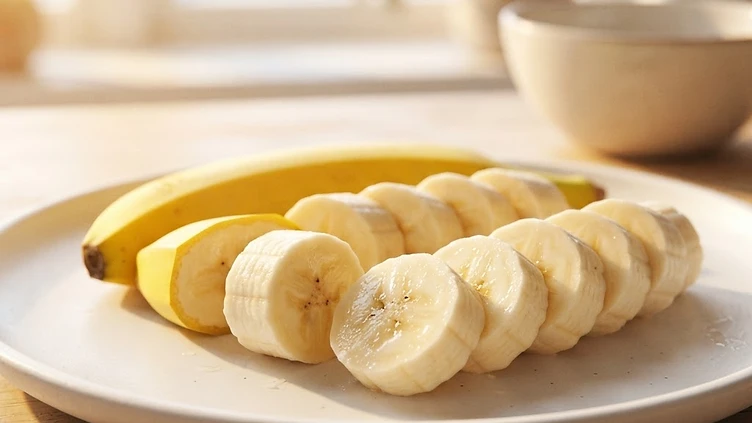
A scientific breakthrough in gene-editing technology is set to bring a new variety of non-browning banana to UK supermarket shelves. Developed by a UK-based biotech firm, this innovation aims to significantly reduce global food waste by preventing the rapid oxidation that typically causes bananas to turn brown after being sliced or bruised.
The story in 20 seconds
20The non-browning banana was developed by Tropic, a biotechnology company based in Norwich.
The technology uses CRISPR-Cas9 to precisely edit the plant's DNA.
The process targets the gene responsible for the enzyme polyphenol oxidase.
A Golden Revolution on the Horizon
Breakfast time in the United Kingdom is about to get a little bit brighter. For as long as many of us can remember, the humble banana has been a kitchen staple, enjoyed for its sweetness and convenience. Yet, there has always been that fleeting race against the clock: the moment a banana is sliced or bruised, the inevitable process of oxidation turns our favourite fruit from a vibrant yellow to an unappealing brown. It is a common frustration that leads to countless snacks being binned before they are ever tasted. However, a scientific breakthrough emerging from the creative hub of promises to change our morning routines forever. By September 2026, British shoppers may find a remarkable new variety of banana hitting supermarket shelves, one that defies the usual rules of nature by staying perfectly fresh for much longer. This innovation is not just about convenience, but represents a significant leap forward in food technology, marking the first time in over 75 years that a brand-new commercial variety of this fruit has been introduced to the market.
The Science Behind the Smile
The team behind this exciting development is Tropic, a biotechnology firm based in Norwich that has harnessed the power of advanced science to address an age-old problem. Their approach utilises the precise gene-editing tool known as CRISPR-Cas9 to make subtle yet impactful adjustments to the plant's DNA. By specifically targeting the gene responsible for the enzyme polyphenol oxidase, scientists have been able to inhibit the reaction that causes to brown after they are peeled or damaged. The beauty of this process lies in its . The resulting fruit retains every bit of the traditional taste and sweetness that consumers know and love, ensuring that while the performance of the banana has been upgraded, the experience of eating it remains entirely authentic. Recognised as one of TIME's best inventions in 2025, this project showcases how modern biotechnology can be used as a force for good in our daily lives.
A Sustainable Future for Fruit
Beyond the kitchen, the implications of this breakthrough are truly global. Bananas serve as the fourth most important crop in the world by calorie value, with a staggering 100 billion consumed annually. Despite their popularity, the industry has long struggled with massive yield losses, with alone responsible for 20 per cent of all wasted stock. By extending the freshness of the fruit—allowing peeled bananas to remain pristine for up to 12 hours and sliced pieces to last for as long as eight days—Tropic is addressing a major inefficiency in our food systems. This reduction in waste carries a profound environmental benefit. The initiative is estimated to lower CO2 equivalent emissions in the banana export market by over nine million tonnes every year, marking a significant drop of more than 25 per cent. In a world increasingly focused on the health of our planet, such an innovation offers a tangible way for consumers to contribute to sustainability simply by choosing a longer-lasting, more resilient fruit. It is a win for the household budget and a victory for the environment.
Navigating a Changing Landscape
While the development of this banana is a triumph of science, it arrives at a time when the world’s most popular fruit variety, , faces genuine threats. The emergence of the soil-borne fungus Tropical Race 4, known as TR4, has cast a shadow over banana production across the globe. By fostering innovation and embracing new scientific standards, the agricultural sector is working to ensure that the supply of this essential crop remains secure for future generations. In the United Kingdom, the regulatory path for this progress has been paved by the Precision Breeding Act of 2023, which provides a framework for gene-edited produce to be developed and brought to market. Other nations have already begun to embrace this technology, with the bananas having already received regulatory approval for import and sale in and Japan. As we look towards September 2026, there is a genuine sense of optimism about what this means for British families. We are on the cusp of an era where food waste is minimised and where the fresh, yellow snack we enjoy today stays just as inviting tomorrow. It is a shining example of how home-grown ingenuity in Norwich can create a ripple effect that benefits consumers, farmers, and the earth alike. By blending classic culinary enjoyment with cutting-edge advancements, we are moving toward a future where the simple pleasure of a banana can be enjoyed with a little less worry and a great deal more sustainability. Whether it is for a quick breakfast on the go or a healthy lunchbox addition, the future of the banana looks bright, resilient, and most importantly, perfectly yellow.
Originally reported by
All rights in the original reporting remain with the publishers below.
Originally reported by theguardian.com. Our feature is written independently from verified facts — please support the original reporting:
Read the original storyRelated Wins

 Health
NEW HORIZONS FOR WORKPLACE WELLBEING
A significant new government initiative is set to transform professional life for millions of women across the UK by mandating improved menopause support in the workplace. This proactive policy shift aims to foster inclusive environments where employees receive the guidance and accommodations necessary to thrive during this life stage.
London & South · 5 hours ago

 Sport
SportPiccadilly Circus Surprise: Global Star Joins Street Performer for Unforgettable Duet
A London street performer received the shock of a lifetime when a world-famous singer-songwriter stepped out of the crowd to join him for an impromptu performance. The heartwarming moment drew a captivated audience, turning an ordinary day in the city into a viral celebration of music and spontaneity.
London & South · 5 hours ago

 Culture
A Musical Surprise in the Heart of London
A talented street performer in Piccadilly Circus experienced an unforgettable moment when a famous celebrity joined him for an impromptu duet. The spontaneous collaboration drew a delighted crowd, turning an ordinary day in the capital into a memorable musical highlight.
London & South · 11 hours ago
The Sunshine Digest
One bright email each week — verified good news only, unsubscribe in a click.