Cream of the crop: one brand’s quiet quest to reinvent the dairy industry
A pioneering UK dairy initiative is demonstrating that regenerative farming practices can lead to measurable improvements in soil health and carbon sequestration. By adopting nature-friendly techniques, farmers are finding new ways to build climate resilience while maintaining productive and sustainable businesses.
The story in 20 seconds
20A soil monitoring programme led by First Milk and Agricarbon showed average carbon gains of 8.9 tonnes per hectare.
Regenerative practices include reduced soil disturbance, cover crops, and diverse crop rotations.
Major companies including Danone, Heineken, and Asahi UK are investing in these sustainable supply chains.
A greener future for British fields
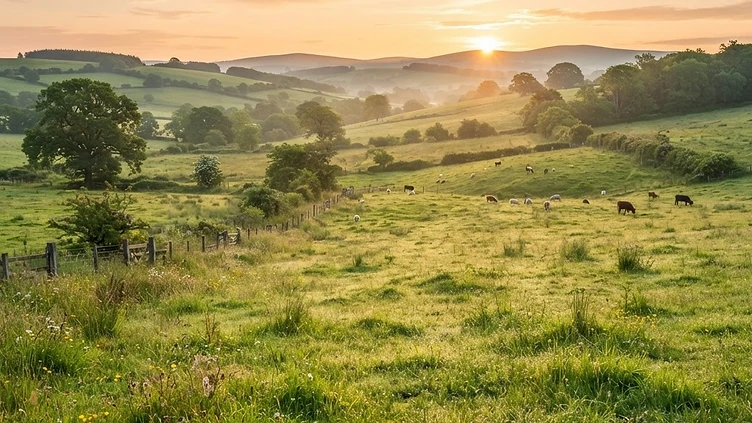
Across the rolling landscape of the Midlands and beyond, a quiet revolution is taking place beneath our feet. For generations, the British dairy industry has been the backbone of our rural economy, but today, it is leading a transformation that looks set to redefine our relationship with the land. A pioneering initiative is currently proving that the way we manage our soil is not just a matter of agricultural tradition, but a vital component in the fight against climate change. By blending age-old stewardship with modern science, farmers are uncovering how practices can breathe new life into their fields, ensuring that the dairy farms of tomorrow are as resilient as they are productive. This is the story of how a commitment to the earth is creating a roadmap for a more sustainable and prosperous future for British agriculture. At the heart of this movement is a sophisticated soil monitoring programme led by and Agricarbon. For nearly four years, these teams have been meticulously tracking the health of the earth across multiple sites. The results are nothing short of remarkable, revealing that by changing how we cultivate our pastures, we can turn our farmland into a powerful ally in carbon sequestration. By embracing techniques like reducing soil disturbance, planting cover crops, and utilising diverse crop rotations, farmers are successfully boosting soil carbon stocks by an impressive average of 8.9 tonnes per hectare. This is not just theoretical data; it is tangible evidence that thoughtful farming can actively heal the environment while maintaining the high standards expected of the British dairy sector.
Investing in sustainable supply chains
The ambition of this project extends far beyond individual farm gates. Recognising the potential for a systemic shift, major food and beverage giants have stepped in to support this transition. Household names such as Danone, Heineken, and are actively investing in these regenerative supply chains, understanding that the quality and longevity of their ingredients depend on the health of the soil. This collaboration between producers and brands creates a unique ecosystem where financial viability and environmental stewardship go hand in hand. It provides a clear, evidence-based model that demonstrates how sustainability can be embedded into the commercial heart of the food industry. By funding and scaling these initiatives, these corporations are helping to secure a future where both farmers and the planet can thrive together. The support is essential, as it allows for long-term projects to flourish, with current research initiatives already mapped out to continue their important work well into 2025. This focus on the long haul is what separates this initiative from fleeting trends, positioning regenerative farming as a permanent, integral pillar of UK dairy production.
A nationwide shift in perspective
The impact of these findings is being felt far beyond the initial project sites, contributing to a wider, national conversation about the role of the countryside in climate mitigation. The evidence gathered from the Midlands and other participating regions is helping to shape a new understanding of how to manage greenhouse gas emissions at a landscape scale. Across the UK, farmers are clearly ready for change. According to a 2025 survey by , an encouraging 56 percent of UK farmers have already begun to adopt some form of regenerative practice. This shift in mindset reflects a growing awareness that climate resilience is the key to maintaining a productive business in a changing world. This momentum is further bolstered by public sector support, with now funding 56 demonstration farms across the UK. These sites serve as living classrooms, allowing farmers to study and witness the benefits of greenhouse gas mitigation firsthand. This combination of private enterprise, scientific rigour, and government support is creating a strong, unified movement that is slowly but surely transforming the British agricultural landscape.
Looking toward a resilient horizon
As we look ahead, the outlook for the British dairy industry is increasingly bright. The success of this regenerative programme offers a scalable, practical blueprint for farms across the country to improve their environmental health. The beauty of this approach lies in its accessibility; by focusing on the health of the soil, farmers are finding new ways to protect their businesses from the uncertainties of a changing climate. It is a transition that rewards patience, careful observation, and a willingness to work with nature rather than against it. The progress made over the last four years serves as a heartening testament to what can be achieved when the industry works in harmony. As these projects extend into 2025 and beyond, the data will continue to guide the way, offering deeper insights into how the UK can maintain its world-class dairy standards while acting as a steward for the natural world. In the quiet fields of the Midlands and across the wider nation, the cream of the crop is no longer just about the output of the dairy, but about the health of the earth that makes it all possible. It is a story of quiet, persistent progress that promises a more secure, sustainable, and productive future for everyone involved in bringing milk to our tables.
Originally reported by
All rights in the original reporting remain with the publishers below.
Originally reported by positive.news. Our feature is written independently from verified facts — please support the original reporting:
Read the original storyRelated Wins

 Environment
Tatton Services seeks 70 local producers ahead of opening on M56 in spring 2028
Tatton Services, a new £65 million sustainable motorway development on the M56, is calling for 70 local producers to supply its farm shop and kitchen, aiming to support regional businesses and promote local agriculture.
North of England · 9 mins ago

 Environment
Pembrokeshire Vineyard Makes History with International Trophy Win
A family-run vineyard in Pembrokeshire has achieved a historic milestone by becoming the first Welsh producer to secure a trophy at a prestigious international sparkling wine competition. This recognition highlights the growing global reputation of Welsh viticulture and the dedication of local producers to high-quality, sustainable winemaking.
Wales · 7 hours ago

 Environment
UK looking to give carmakers incentives to turn EVs into ‘power plants on wheels’
UK electric vehicles are set to become mobile power stations, with new government incentives encouraging manufacturers to integrate technology that allows cars to feed electricity back into the national grid.
London & South · 1 day ago
The Sunshine Digest
One bright email each week — verified good news only, unsubscribe in a click.