Can a mushroom make music? Devon exhibition explores ‘cultural world’ of fungi
A pioneering exhibition in Exeter is bridging the gap between scientific research and artistic expression by exploring the hidden, interconnected world of fungi through immersive soundscapes and biological mapping at the Royal Albert Memorial Museum.
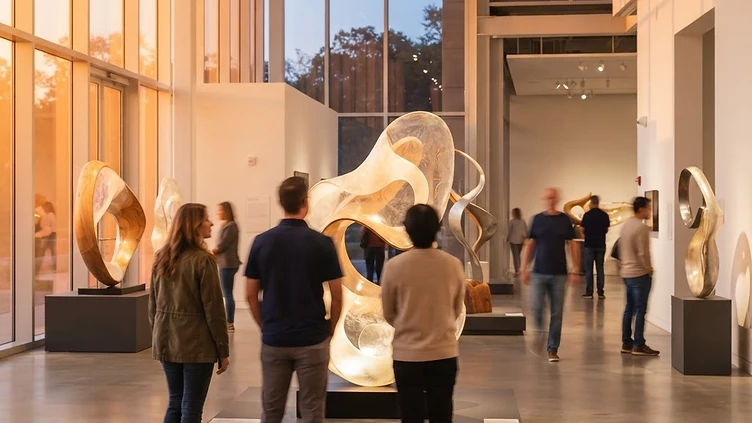
A Symphony Beneath Our Feet
Deep in the heart of Devon, an extraordinary transformation is occurring within the walls of the . As we walk through the countryside, we rarely consider the intricate, silent communications happening just inches beneath our boots. From 3 October 2026 until 21 February 2027, the RAMM in Exeter invites visitors to step into the : Art and Fungi . This project is a masterful bridge between the rigorous world of research and the expressive power of art, offering a rare glimpse into the hidden, interconnected life of the fungal kingdom. By weaving together biological mapping and spatial soundscapes, the exhibition promises to change forever the way we perceive these vital organisms that shape our world.
Creative Minds and Scientific Rhythms
The exhibition stands as a testament to the power of collaboration between diverse creative thinkers. The project was brought to life through an open call for artists and the careful deliberations of an independent selection panel, ensuring a curated experience that feels both organic and thoughtfully constructed. Among the central figures are sound artist Jason Singh, based in , and Exeter-based artist . Together, they have explored the profound cultural and biological significance of fungi, translating complex mycology into something that can be heard and touched. Jason Singh uses his expertise to build immersive soundscapes that give voice to the fungal world, while Gemma Anderson-Tempini contributes her skills in biological mapping. Their work is complemented by the use of unique materials, including textiles inspired by the fungal form and rich, earthy pigments sourced directly from the soil. This is not merely an art display; it is a creative interpretation of how mycelial networks operate as the literal and conceptual architects of our physical landscape.
Uncovering Layers of History
The beauty of the Living Labyrinths exhibition lies in how it seamlessly fuses the contemporary with the historical. To tell the full story of fungi, the curatorial team has delved into the deep archives of the RAMM, unearthing newly conserved dried specimens and fascinating lantern slides that have not seen the light of day for years. These historical artifacts provide a grounding for the exhibition, showing us that our fascination with the fungal world is not a modern obsession, but one with a long, documented past. By placing these archival treasures alongside modern , the exhibition creates a dialogue between generations. Visitors are invited to look at the same forms through the eyes of early naturalists and the modern lens of digital and auditory art, highlighting the enduring mystery that fungi represent. It is a rare opportunity to see how scientific discovery has evolved while maintaining a consistent sense of wonder.
Making Science Accessible to All
At its heart, the primary goal of this exhibition is to make complex scientific concepts regarding mycelial networks both accessible and engaging for new, wider audiences. Often, the intricate details of mycology are kept within academic circles, but Living Labyrinths acts as a conduit, translating the data of the soil into a language that speaks to everyone. By utilizing artistic expression, the exhibition invites people who might not consider themselves science enthusiasts to engage deeply with the biological importance of fungi. Whether through the tactile experience of seeing pigments derived from local soil or the auditory journey provided by the spatial soundscapes, the exhibition ensures that the research context is not just understood, but felt. This initiative represents an optimistic shift in how museums can act as community hubs, proving that when art and science work in tandem, they provide a much richer picture of the natural world. As we look toward the months ahead, the RAMM stands as a beacon for this interdisciplinary approach, inviting the public to discover the secret, musical, and artistic world of fungi right here in Exeter. The exhibition serves as a reminder that even the smallest, most overlooked organisms play a foundational role in the health and beauty of our UK landscapes, encouraging us all to take a closer look at the earth beneath our feet.
Originally reported by
All rights in the original reporting remain with the publishers below.
Originally reported by theguardian.com. Our feature is written independently from verified facts — please support the original reporting:
Read the original storyRelated Wins

 Environment
A NATURAL REVIVAL FOR BARNES GREEN
A major river restoration project has successfully transformed the Beverley Brook at Barnes Green into a thriving, natural habitat. This initiative has introduced a meandering river channel and a new island, significantly boosting local flood resilience and biodiversity.
London & South · 4 hours ago

 Culture
Croydon Housing Triumph Wins Prestigious National Architecture Award
A visionary council-commissioned housing development in South London has been crowned the winner of the 2026 RIBA Stirling Prize. The project transformed a former car park into a thriving community of 157 homes that seamlessly integrates high-density living with the natural landscape.
London & South · 4 hours ago

 Sport
SportA historic milestone for coastal football has been reached as AFC Bournemouth celebrates its first-ever home match in a major European competition.
The Vitality Stadium hosted the Europa League fixture, marking a significant chapter in the club's journey and bringing international prestige to the town.
London & South · 10 hours ago
The Sunshine Digest
One bright email each week — verified good news only, unsubscribe in a click.