A WINGED WONDER: BRITAIN CELEBRATES A SPECTACULAR BUTTERFLY SEASON
Nature enthusiasts across the UK are celebrating a remarkable resurgence in butterfly populations, with 2026 marking the second-best season for these insects in over a decade and a half. Thanks to a series of record-breaking heatwaves, volunteers have recorded a massive surge in sightings, including a staggering 335% increase in painted lady butterflies compared to the previous year.
The story in 20 seconds
20Total count: Nearly 1.4 million butterflies and moths recorded.
Performance: Second-best season in the UK in 16 years.
Painted lady increase: 335% higher than the 2025 season.
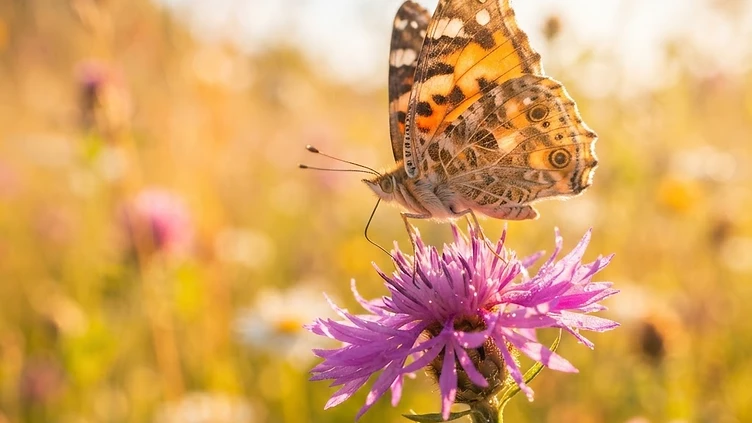
A Summer Of Vibrant Colour Across The British Isles The skies above the United Kingdom have been transformed this year into a fluttering tapestry of colour, as nature enthusiasts and conservationists alike celebrate a truly remarkable summer season. For those who spent their warmer months peering into garden hedges and traversing local meadows, the evidence of an ecological resurgence has been impossible to ignore. As the official tallies for 2026 roll in, it has become clear that this year stands out as a genuine highlight for our native insect populations, marking the second-best season for butterflies and moths in more than fifteen years. This unexpected abundance has provided a much-needed lift to biodiversity across every corner of the nation, offering a heartwarming glimpse of resilience in our natural world.
The Power Of Citizen Science This incredible success story is not merely the result of chance, but rather the collective work of thousands of dedicated citizen-science volunteers. Spread across the length and breadth of the UK, these passionate individuals have spent their summer monitoring local habitats, meticulously tracking the delicate movements of insects within their regional environments. The methodology employed by these volunteers has been vital, allowing researchers to compile a database that includes nearly 1.4 million individual sightings. By participating in this widespread effort, members of the public have helped to build a clearer picture of how specific climate patterns, such as the record-breaking heatwaves experienced throughout 2026, directly influence insect survival and distribution. It is a testament to the importance of public participation in environmental tracking, proving that our collective gaze can uncover profound truths about the health of our local ecosystems.
A Painted Lady Phenomenon Perhaps the most spectacular element of this summer story is the unprecedented rise of the painted lady butterfly. These migratory marvels, which undergo an incredible 9,000-mile annual journey, were seen in record numbers across the British Isles. The data indicates a staggering 335% increase in sightings compared to the previous year, a figure that has left researchers and nature lovers in awe. The life cycle of these insects is equally fascinating, capable of progressing from egg to adult in under six weeks, a speed that allowed them to capitalise on the sweltering warmth of the 2026 season. Seeing such a vibrant species flourish in our landscape serves as a reminder of the complex, global journeys that connect our local habitats to the wider world. While many UK insect species have historically faced periods of decline, the sheer volume of painted ladies observed this year suggests that under the right conditions, our environment retains a stubborn and beautiful capacity for renewal.
Building Towards A Resilient Future While it is easy to get lost in the sheer beauty of a field filled with wings, the deeper significance of these findings remains clear. The conservation value of this year’s data cannot be overstated, as it provides scientists with a vital baseline to understand how future climate fluctuations might affect insect populations. After years of concerning news regarding the state of our wildlife, the boom in both common and migratory species observed across diverse habitats offers a glimmer of genuine hope. By identifying that these creatures were able to thrive despite the intensity of the heat, researchers are better equipped to protect these delicate populations in the coming years. This year has served as a powerful reminder that our ecosystems are dynamic and reactive, and that even in an era of environmental uncertainty, nature can surprise us with its ability to reclaim its place. As we look back on a summer of fluttering wings and buzzing meadows, we can take heart in the success of this season. The combination of favourable weather patterns and the unwavering commitment of volunteer monitors has created a legacy that will inform conservation strategies for years to come. For every enthusiast who took the time to observe, count, and share their findings, this season has been a labour of love that has paid off in dividends of colour and life. Britain has been gifted a remarkable window into the natural world, one that highlights the fragile beauty of our surroundings and the importance of safeguarding them for generations to come.
Originally reported by
All rights in the original reporting remain with the publishers below.
Originally reported by theguardian.com. Our feature is written independently from verified facts — please support the original reporting:
Read the original storyRelated Wins

 Environment
A YOUNG HISTORIAN’S RIVERBANK DISCOVERY
A 14-year-old London student is inspiring a new generation to connect with the capital’s heritage through the ancient practice of mudlarking. By scouring the Thames foreshore for historical fragments, she is helping to preserve and document thousands of years of local history.
London & South · 5 hours ago

 Sport
SportLIONESSES ROAR TO STUNNING VICTORY IN CAPITAL DERBY
London City Lionesses delivered a masterclass in attacking football, securing a dominant 6-1 victory over Tottenham Hotspur in the Women’s Super League. The emphatic win showcased the clinical form of international stars Alexia Putellas and Kadidiatou Diani, who each netted twice to dismantle the opposition.
London & South · 5 hours ago

 Culture
COMEDY LEGEND RETURNS TO THE WEST END STAGE
Rowan Atkinson is set to make a highly anticipated return to the London stage in a brand-new production titled 'Rowan Live,' featuring a blend of his most iconic characters and fresh material.
London & South · 11 hours ago
The Sunshine Digest
One bright email each week — verified good news only, unsubscribe in a click.