A Shared Moment of Wonder Under the Eclipse
Communities across the UK gathered in a display of collective curiosity to witness the recent partial solar eclipse. Despite overcast conditions, the event served as a powerful reminder of our shared connection to the natural world and the enduring appeal of astronomical phenomena.
The story in 20 seconds
20The partial solar eclipse took place on Wednesday, August 12, 2026.
In London, the eclipse began at 6:17 pm and reached its maximum magnitude of 0.925 at 7:13 pm.
The event concluded in the capital at 8:06 pm.
A Celestial Spectacle Across the British Isles
On the evening of , August 12, 2026, the residents of the United Kingdom were treated to a rare and captivating celestial event that drew countless people out into the fresh air. From busy city streets to quiet countryside retreats, communities turned their eyes toward the heavens to witness a partial solar eclipse. While the world watched on in a collective display of curiosity, the UK experienced a significant partial obscuration that provided a brief, yet powerful, connection to the wider natural world. Despite the overcast conditions that blanketed much of the country, the spirit of the day remained undimmed as people sought out any opportunity to glimpse the hidden sun. This phenomenon was more than just a passing astronomical occurrence; it was a social celebration of our shared environment and the enduring, universal appeal of the cosmos. As the light shifted and the air grew cool, the public was reminded once again of the simple, profound joy found in observing the patterns of our universe together.
Unity Through Scientific Wonder
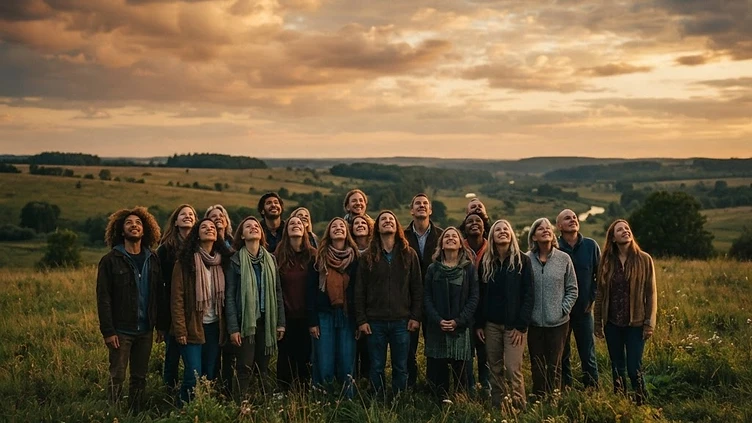
The gathering in , Co Down, offered a beautiful microcosm of the wider national experience. Here, a diverse assembly of people—families with young children, teenagers eager to learn, and elderly residents sharing stories—stood shoulder to shoulder to witness the skies. The atmosphere was one of palpable engagement as individuals swapped stories and shared viewing tips. This sense of unity is a hallmark of such rare events, highlighting a deep-seated public interest in science and the importance of coming together in a shared, harmless activity. Whether in Northern Ireland or the bustling capital of London, the eclipse acted as a catalyst for community interaction. , the sequence of events was clearly mapped, with the eclipse beginning at 6:17 pm. By 7:13 pm, it reached its maximum magnitude of 0.925, casting a dim, surreal light over the city before finally concluding at 8:06 pm. The event turned local parks and streets into impromptu observatories, proving that science is most vibrant when it is practiced in the company of others. Even when nature obscured the view with clouds, the act of stepping outside and looking up served to strengthen the bonds between neighbours, fostering a collective curiosity that transcended the technical limitations of the weather.
Ingenuity and Natural Rhythms
One of the most heartening aspects of the day was the surge of creativity among those keen to watch the eclipse safely. While many invested in certified solar-eclipse glasses, others turned to their kitchen cupboards for inspiration. The clever construction of DIY pinhole cameras using colanders, cardboard boxes, and everyday household items showed a charming ingenuity that brought a tactile, hands-on quality to the scientific observation. These homemade devices allowed families to project the sun’s image safely, turning a complex astronomical event into an accessible, family-friendly project. As the moon moved across the sun, the natural world responded in fascinating ways that added to the sensory experience. Participants noted a distinct drop in ambient light levels, accompanied by a noticeable cooling of the breeze that seemed to catch everyone by surprise. Even the local appeared to sense the shifting conditions, with rooks reacting to the sudden, twilight-like dimming of the day. These moments served as a vivid reminder that we are part of a larger, interconnected environment, one that responds in rhythm with the celestial dance occurring far above our heads.
Looking Toward the Future
As the eclipse came to an end and the light gradually returned to normal, many were left with a lasting impression of the fragility and beauty of our planet's place in the solar system. This event underscored the vital importance of public engagement with astronomy, serving as a rare opportunity to pause, look up, and appreciate the mechanisms that govern our skies. While the total solar eclipse was visible in other regions across the globe, the UK’s experience was significant in its own right, marking a milestone in our local calendar. It is a sobering thought to realise that the next total solar eclipse visible from our shores is not expected until 2081. This long gap makes the shared memory of August 2026 all the more precious. The day proved that even when we cannot see the entirety of the cosmic display, the simple act of participating in such a phenomenon encourages us to engage with our local environment and think deeply about our place within the wider universe. It was a day of collective wonder, where the curiosity of a nation turned toward the horizon, united by the simple, ancient desire to witness the mysteries of the sky. As the final moments of the eclipse faded, the sense of connection remained, leaving behind a refreshed interest in the wonders that remain waiting for us in the years to come.
Originally reported by
All rights in the original reporting remain with the publishers below.
Originally reported by Country diary: Solar eclipse night was a social phenomenon – who cares if it was cloudy? | Mary Montague. Our feature is written independently from verified facts — please support the original reporting:
Read the original storyRelated Wins

 Environment
A NATURAL REVIVAL FOR BARNES GREEN
A major river restoration project has successfully transformed the Beverley Brook at Barnes Green into a thriving, natural habitat. This initiative has introduced a meandering river channel and a new island, significantly boosting local flood resilience and biodiversity.
London & South · 6 hours ago

 Environment
A "Nature Ring" for London: Ambitious Green Corridor Takes Root
A visionary 25-year project is underway to encircle the capital with a continuous 200km green corridor, transforming the city’s outer edges into a thriving habitat for both wildlife and residents. By connecting existing green spaces with new orchards, hedgerows, and woodlands, the initiative aims to restore biodiversity and provide nature-deprived communities with improved access to the outdoors.
London & South · 1 day ago

 Environment
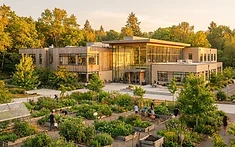
'Outstanding' school 'over-capacity' to move and expand from Bermondsey to Peckham
A highly-rated special school is set to expand its capacity and move into a modern, sustainable facility to better support children with complex needs. This relocation will provide 21 additional places for pupils, ensuring more families have access to high-quality, purpose-built educational environments.
London & South · 1 day ago
The Sunshine Digest
One bright email each week — verified good news only, unsubscribe in a click.