A New Era for London’s Historic High Street
London’s iconic Oxford Street has officially begun its long-awaited transformation into a pedestrian-friendly destination, marking a major milestone for the capital’s retail heart. This shift replaces years of traffic congestion with a vibrant, accessible public space designed to enhance the experience for shoppers and visitors alike.
The story in 20 seconds
20The pedestrianisation project officially launched on Monday, October 26, 2026.
The initiative covers a significant stretch of nearly one kilometre between Orchard Street and Great Portland Street.
The area is now restricted to private motorised vehicles, buses, taxis, and cycles.
A New Dawn for London
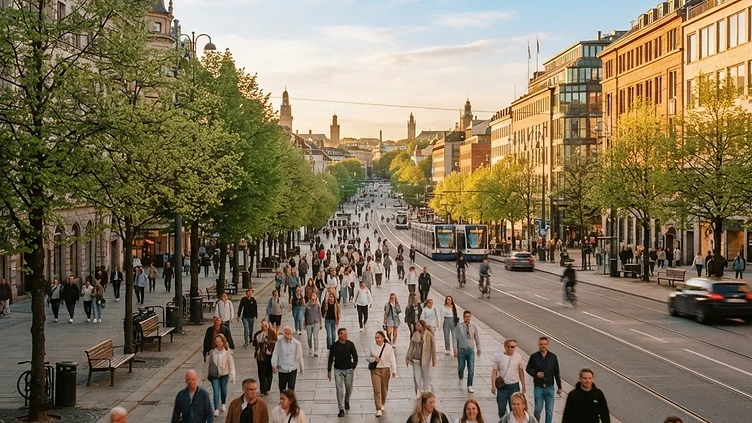
London’s most famous retail artery is breathing a fresh sigh of relief this week as the city embraces a transformative chapter. On Monday, 26, 2026, the long-standing ambition to reimagine Oxford Street officially transitioned from a visionary plan into a physical reality. This significant milestone marks a departure from the persistent traffic congestion that once defined this iconic stretch, replacing the relentless roar of engines with a newfound sense of space and accessibility for all who visit. By prioritising the comfort and safety of people over the flow of motorised vehicles, the capital is setting a bold precedent for how our most bustling urban centres can evolve to meet the needs of a modern, vibrant society.
The Heart of the Transformation
At the centre of this ambitious endeavour is a commitment to reclaiming nearly one kilometre of road, spanning the vital artery between Orchard Street and . Under the collaborative leadership of the Mayor of London and the central government, this historic stretch has been restricted to private motorised vehicles, buses, taxis, and cycles, effectively pivoting away from its past as a gridlocked thoroughfare. This change is not merely cosmetic; it represents the first major stride in a comprehensive £150 million regeneration plan designed to breathe life back into one of the country's most significant commercial hubs. For those who frequent the area, the shift is palpable, offering a calm, navigable environment that encourages shoppers and visitors to pause, explore, and engage with the high street in a way that was previously unimaginable.
Why This Matters Now
The decision to pedestrianise this stretch of Oxford Street speaks to a broader, nationwide conversation regarding the future of our urban retail and hospitality sectors. By removing the constraints of heavy traffic, the project directly addresses the need for enhanced pedestrian safety and a marked improvement in local air quality. These factors are essential for cultivating a welcoming atmosphere that supports local businesses. When people feel comfortable and safe walking through the city centre, the entire experience of visiting London’s retail heart is elevated. The initiative is a proactive response to the changing landscape of consumer habits, providing a modern, accessible public space that serves as a beacon of optimism for high streets across the United Kingdom. It is a strategic investment in the well-being of the city, aiming to revitalise the area’s economic health by creating a space that is as enjoyable as it is functional.
A Greener Future Ahead
While the current changes have already altered the character of the thoroughfare, the vision for this space continues to grow. Looking toward the horizon, specifically the spring of 2027, the regeneration plan promises even greater enhancements that will soften the urban landscape. Plans are already in motion to introduce over 50 new trees to the area, bringing a welcome infusion of greenery into the heart of the capital. Alongside this natural expansion, the introduction of two brand-new public squares will provide much-needed breathing space, offering communal areas for visitors to gather, rest, and appreciate the city’s historic surroundings. These future developments represent the next phase of a project that is fundamentally changing how we interact with London’s most famous street.
A Blueprint for Modern Cities
As London leads the way with this project, it serves as a compelling example of how collaborative governance can achieve large-scale urban improvement. The shift from a congested road to a pedestrian-friendly destination is a complex task, but the benefits—spanning improved air quality, safety, and a revitalised atmosphere—are clear. By focusing on creating a public space that invites people in rather than pushing traffic through, the initiative ensures that the retail and hospitality sectors are better positioned to thrive in the years to come. The effort invested by the Mayor of London and the central government reflects a shared commitment to the vitality of the capital. As we look ahead, the evolution of this one-kilometre stretch will likely serve as a reference point for future urban developments across the UK, demonstrating that with the right planning, it is entirely possible to balance heritage with the necessities of modern life. The spirit of the project is one of renewal and hope, signalling that even the most established streets can reinvent themselves to ensure a bright, sustainable future for all who call London home or travel here to experience the best of our country.
Originally reported by
All rights in the original reporting remain with the publishers below.
Originally reported by mylondon.news. Our feature is written independently from verified facts — please support the original reporting:
Read the original storyRelated Wins

 Health
Lambeth housing estates saved from demolition and redevelopment
South London communities celebrate as Lambeth Council abandons plans to demolish the Central Hill and Cressingham Gardens estates, shifting focus to refurbishment and community preservation.
London & South · 48 mins ago

 Culture
Hackney’s Reborn Yard Theatre Opens Doors with Star-Studded Season
The Yard Theatre has successfully completed its transition from a temporary warehouse space into a permanent, architecturally significant venue in Hackney Wick. This ambitious £4 million project ensures the theatre can continue its mission of providing accessible, high-quality arts programming to the local community and beyond.
London & South · 49 mins ago

 Science
PEDALS AT THE READY: WEST LONDON CYCLING LESSONS TO RETURN
A popular community initiative providing free cycle training is set to resume in the new year, offering residents a renewed opportunity to build confidence on two wheels. The programme, which helps people of all abilities navigate local roads safely, will restart following a period of service interruptions.
London & South · 52 mins ago
The Sunshine Digest
One bright email each week — verified good news only, unsubscribe in a click.