A COSMIC BEACON FROM THE DAWN OF TIME
Astronomers have successfully traced the most distant fast radio burst ever recorded, a mysterious flash of energy that travelled for over 10 billion years to reach Earth. By utilising the James Webb Space Telescope, researchers have identified the signal's origin as a small, star-forming dwarf galaxy, providing a rare glimpse into the early history of our universe.
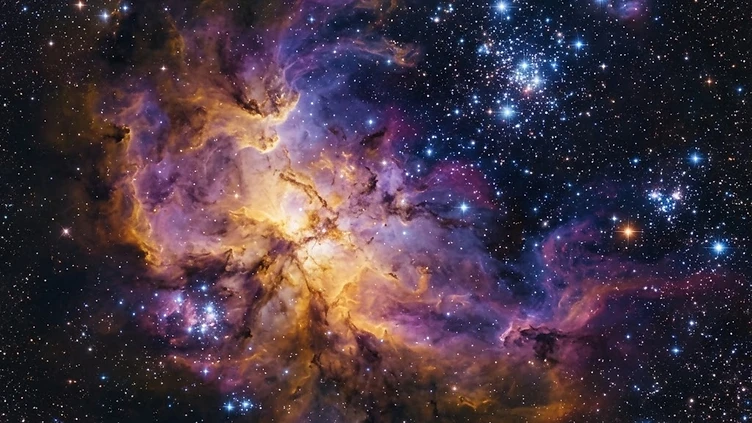
A Message from the Dawn of Time
In the quiet expanse of the cosmos, a whisper from the past has finally reached our shores, travelling for over ten billion years to tell us a story of the early universe. This extraordinary event, identified as a fast radio burst known as FRB 20240304B, represents the most distant detection of its kind ever recorded. Captured by scientists and published in October 2026, this signal acts as a breathtaking bridge across space and time, offering us a glimpse into a period when our universe was merely three billion years old. For researchers across the globe, including those connected to the University of Sydney, this discovery is not just a triumph of technology but a profound moment of connection to the very origins of everything we see today.
Unveiling the Cosmic Flashlight
Fast radio bursts are among the most enigmatic phenomena in space, presenting themselves as incredibly intense, millisecond-long pulses of energy. While their precise origins have remained shrouded in mystery, these bursts are now serving a vital purpose as cosmic flashlights. By tracing the path of this specific signal, which originated in a distant, compact dwarf galaxy, researchers have been able to map the invisible matter that occupies the vast, dark spaces between galaxies. This cosmic web, previously difficult to quantify, is now being brought into focus thanks to the diligent efforts of a research team led by Dr. Manisha Caleb and Dr. . Their work utilises the immense capabilities of the MeerKAT radio telescope in , which first caught the pulse on March 4, 2024, followed by the surgical precision of the James Webb Space Telescope.
A Record-Breaking Breakthrough
The sheer scale of this achievement is difficult to overstate. By identifying the source of FRB 20240304B at a redshift of 2.148, the team has effectively doubled the previous distance record for such a signal. This is a leap forward for , moving us significantly closer to understanding the mechanisms that trigger such powerful emissions. proved instrumental in pinpointing the host galaxy—a small, bustling environment where new stars are actively forming. This dwarf galaxy has acted as a beacon, shining across 80 percent of cosmic history to provide us with data that challenges and refines our existing theories about the structure of the universe. For those looking to the skies from the United Kingdom and beyond, this represents a major step forward in our quest to understand what lies in the great unknown.
Looking to the Future
As we reflect on this discovery, it is easy to feel a sense of wonder at the persistence of the light that reaches us from across the eons. The findings, which appeared in the journal Science, are more than just a list of data points; they represent an optimistic shift in how we approach the mysteries of the cosmos. By studying these distant, ancient signals, scientists are slowly narrowing down the list of potential culprits behind these energetic events. We are no longer merely guessing about the nature of these mysterious astrophysical processes; we are actively probing them with tools of unprecedented power. The mapping of the cosmic web provides a unique perspective on the distribution of matter throughout history, offering insights that were once considered beyond our reach. As we move further into the future of space exploration, the collaboration between global institutions and the deployment of advanced observatories continue to pay dividends, turning long-standing questions into tangible scientific breakthroughs. This latest event is a testament to the power of human curiosity and our unwavering desire to map the vast, unseen architecture of the universe, ensuring that even the most distant whispers from the dawn of time are eventually heard and understood by those of us here on .
Originally reported by
All rights in the original reporting remain with the publishers below.
Originally reported by Astronomers detect mysterious burst of energy from a galaxy far, far away. Our feature is written independently from verified facts — please support the original reporting:
Read the original storyRelated Wins

 Culture
A Century of Community: The Enduring Legacy of London’s Iconic Family Café
A historic East London institution continues to thrive as a cornerstone of local life, celebrated for its century-long commitment to serving the community. This beloved family-run café remains a vibrant cultural landmark, preserving its unique heritage while welcoming new generations of patrons.
London & South · 5 hours ago

 Tech
TechMagic and Imagination Return to Kent as Puppetry Festival Launches
The seventh Tunbridge Wells Puppetry Festival has officially returned to the historic spa town, offering a vibrant mix of professional performances and community-focused workshops for all ages. This year’s event transforms the region into a hub of creativity, providing accessible and affordable cultural experiences throughout the half-term break.
London & South · 11 hours ago

 Health
Creative Magic Returns to Kent as Puppetry Festival Inspires All Ages
The Tunbridge Wells Puppetry Festival is set to return this October, bringing a vibrant array of performances and interactive workshops to the historic spa town. This community-focused event aims to foster wonder and empathy through the art of puppetry, offering accessible entertainment for families and residents alike.
London & South · 17 hours ago
The Sunshine Digest
One bright email each week — verified good news only, unsubscribe in a click.