A BOLD NEW CHAPTER FOR LONDON DANCE
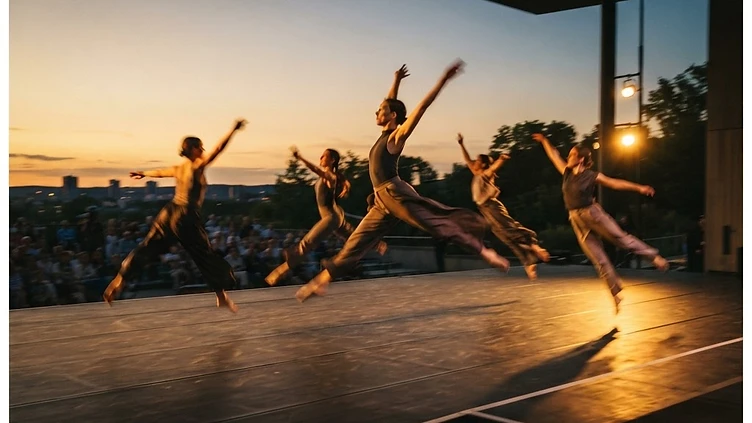
The English National Ballet has launched its 2026-2027 season at Sadler’s Wells in London with a vibrant triple bill titled Rhythm Riot, showcasing a blend of neo-classical mastery and contemporary innovation.
The story in 20 seconds
20The production, titled Rhythm Riot, runs from 24 September to 3 October 2026 at Sadler’s Wells Theatre in Islington, London.
The programme features George Balanchine’s 1972 work, Symphony in Three Movements, performed by the company for the first time.
The performance includes 32 dancers executing the Balanchine piece, set to an Igor Stravinsky score played live by the English National Ballet Philharmonic.
A Fresh Beat In Islington
London has long held a reputation as a global heartbeat for the arts, and this autumn, that pulse is quickening within the walls of one of its most storied venues. At the iconic Sadler’s Wells in Islington, the English National Ballet has officially thrown open the doors to its 2026-2027 season, marking the occasion with a production that feels as vital as it is visually arresting. Titled , this vibrant triple bill serves as a bold statement of intent for the months ahead, signalling a departure from the dusty traditions that some might lazily associate with the form. Instead, the company is inviting audiences to step into a new chapter defined by innovation, emotional depth, and a sheer, unadulterated joy for movement.
From the 24th of September until the 3rd of October 2026, the stage at Sadler’s Wells—a site that has nurtured the spirit of dance for decades since its transformation into a modern theatre space—will be transformed into a laboratory of contemporary expression. The atmosphere is one of deliberate evolution. Gone are the expectations of crowns, tiaras, and stiff, layered tutus, replaced by the clean, sharp aesthetic of leotards and the practical grace of ponytails. This is not just a change in costume; it is a shift in philosophy, stripping away the ornamental to focus on the raw, athletic, and emotive power of the human body in motion.
Masters Meets Modernity
The programme is a carefully curated bridge between the historical foundations of ballet and the cutting edge of current choreography. The centrepiece of the evening is masterful 1972 work, Symphony in Three Movements. For the English National Ballet, this represents a significant milestone, as the company performs the piece for the very first time. It is a massive undertaking, featuring 32 dancers who fill the stage with a precision that demands absolute focus from the audience. As they move, the complex, driving score by Igor Stravinsky fills the auditorium, performed live by the . The presence of the live orchestra adds a layer of depth that recordings simply cannot match, creating a symbiotic relationship between the sound in the air and the shapes carved out by the dancers.
Yet, for all the respect paid to the neo-classical masters, the evening belongs equally to the future. Rhythm Riot is framed by two world premieres that push the boundaries of what a ballet company can deliver. Jae Man Joo brings an ethereal, poetic sensibility to the stage with Auguries of Innocence, a work deeply inspired by the verses of and set to the evocative music of Pēteris Vasks. It is a piece that invites deep reflection, proving that dance can hold as much intellectual and literary weight as any library shelf. Balancing this quiet introspection is the work of , whose contribution titled Bow Out brings a rhythmic energy reminiscent of the 1930s jazz era. By channelling the infectious spirit and technical ingenuity of the , Taylor brings a sense of historical rhythm into the modern day, showing that the influence of jazz remains a potent catalyst for current choreography.
A Season Of Feeling
Beyond the specific movements of Rhythm Riot, there is a broader theme guiding the English National Ballet through the year ahead. Under the banner of '' the company is setting out to engage modern audiences by prioritising emotional resonance over mere technical display. This initiative is about more than just the three shows in this particular bill; it is a philosophy that will extend to the company’s broader participation programmes and future productions, including the highly anticipated runs of Romeo and Juliet and The Nutcracker later in the season. The goal is to strip away any sense of distance between the stage and the observer, making dance a more accessible, thought-provoking, and deeply personal experience.
This commitment to versatility and emotion is exactly what the UK arts scene needs to keep the craft of ballet relevant and thriving. By blending the grand, sweeping demands of Balanchine with the intimate, contemporary voices of Joo and Taylor, the English National Ballet is proving that the art form is not a static museum piece but a living, breathing entity. The success of this launch at Sadler’s Wells suggests that there is a vast audience ready to embrace this evolution. As the dancers take their final bows in early October, they leave behind the clear impression that the 2026-2027 season will be defined by its courage to experiment, its refusal to stay still, and its unwavering dedication to the power of human expression. It is a bold, bright start for a company that seems intent on ensuring that every person who enters the theatre leaves feeling something profound, unexpected, and entirely new.
Originally reported by
All rights in the original reporting remain with the publishers below.
Originally reported by English National Ballet: Rhythm Riot review – this triple whammy brings zing, grit and chills. Our feature is written independently from verified facts — please support the original reporting:
Read the original storyRelated Wins

 Culture
Local Students Bring Spooky Fun to the Stage
Young performers in Mid Cheshire are preparing to delight audiences this October with a lively production of The Addams Family musical, showcasing the dedication and artistic development of local youth.
North of England · 33 mins ago

 Sport
SportCHESS PRODIGIES BREAK BARRIERS IN NATIONAL LEAGUE DEBUT
The 'She Plays to Win' Lionesses have made history by competing in the top division of the Four Nations Chess League, marking the culmination of three consecutive promotions. Despite facing unique regulatory challenges regarding team composition, the squad continues to demonstrate exceptional skill and camaraderie at the highest level of British chess.
London & South · 1 hour ago

 Science
NEW PATHWAYS TO DIAGNOSIS: CAMBRIDGE STUDY SHEDS LIGHT ON AUTOIMMUNE HEALTH
A landmark study from the University of Cambridge is paving the way for more accurate medical care by highlighting critical gender disparities in the diagnosis of autoimmune conditions. By identifying how and why these misdiagnoses occur, researchers are providing the evidence needed to ensure patients receive faster, more effective support for their physical health.
London & South · 1 hour ago
The Sunshine Digest
One bright email each week — verified good news only, unsubscribe in a click.